Spotify's Half Measure on AI-Generated Audio Leaves Creators Exposed
The streaming giant pulled 50 million AI tracks from recommendations this year but refuses to remove them entirely or offer listeners an opt-out, even as rivals Deezer and Tidal take harder lines.
A Visibility Problem, Not a Removal Problem
Spotify announced this week that it has pulled 50 million tracks it labels "slop and spam" from recommendation algorithms so far in 2026. The figure sounds decisive until you realise the company is describing a visibility adjustment, not a deletion campaign. Those tracks remain live on the platform; they simply appear less often in algorithmic feeds and never in editor-curated playlists.
The streaming service made its first policy changes targeting generative-audio uploads in September 2025, when it disclosed removing 75 million "spammy tracks" for serious or repeated rule violations. That number has not moved. A representative confirmed to Music Business Worldwide that deletions continue, but Spotify declined to update the total. The implication is clear: the bulk of algorithmic clean-up in 2026 has been suppression, not enforcement.
The distinction matters because Spotify simultaneously rolls out features that invite AI-generated content. Users can now remix and cover songs with in-app AI tools. Several profiles widely suspected to be synthetic personas - Sienna Rose, The Velvet Sundown, Breaking Rust - collectively draw hundreds of thousands of monthly listeners. A July analysis found the ten most-streamed AI artists on the platform had generated approximately 2.4 million US dollars in royalties, revenue that would otherwise flow to human musicians.
The Pattern Spotify Found in Skip Data
The company says it identified the 50 million tracks by analysing listener behaviour: skips, explicit "don't play this" flags, and patterns of rejection that clustered around uploads flagged by metadata anomalies, suspicious upload cadences, and third-party detection software. Spotify acknowledges that detection tools have limits and will struggle as generative models improve. It also notes that spammers adapt quickly, forcing the platform into a continual game of tag.
Since implementing the recommendation changes, Spotify reports a "marked decrease" in user complaints about unwanted AI audio appearing in feeds. The language is telling - fewer complaints, not fewer uploads. The platform is managing perception more than it is managing inventory.
What Competitors Are Willing to Do
Deezer announced in October 2026 that it will offer subscribers a toggle to filter out all generative audio by year-end. Bandcamp prohibits most AI-generated uploads outright. Tidal withholds royalty payments from entirely synthetic tracks. Each of these policies accepts a trade-off: restrict a category of content to preserve trust with a core user base.
Spotify has chosen the opposite path. A representative told the BBC earlier in 2026 that the company prioritises addressing "harmful uses like spam and impersonation" rather than filtering music by production method. That framing treats AI-generated audio as a neutral creative tool unless it crosses into fraud. It also sidesteps the question of whether listeners should have the power to make that determination themselves.
At Opentechwire, we have tracked the royalty distribution debate across streaming platforms for three years. The central tension is not technical - it is economic. Platforms that allow synthetic content at scale risk alienating the human artists who supply their catalogue equity, but blocking that content means turning away upload volume and the engagement data it generates, however low-quality.
Disclosure Theatre and Verification Theatre
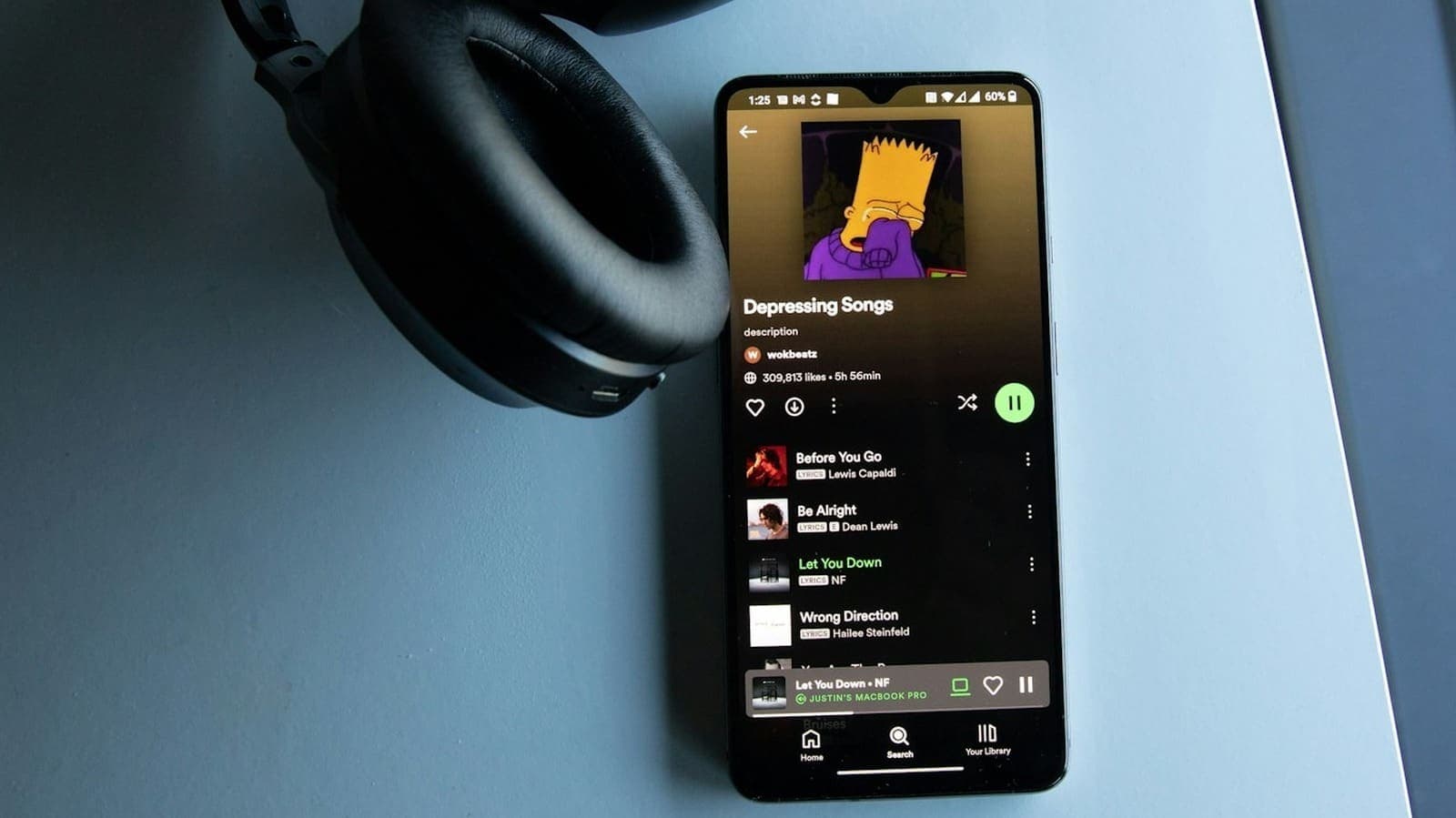
Spotify says artists are now submitting tens of thousands of AI credits per day to disclose the technology's role in their work. Those credits appear in the Now Playing view on mobile, and the company plans to expand visibility "so users can quickly and easily see when an artist has disclosed AI use." Disclosure, however, is voluntary. There is no enforcement mechanism for creators who choose not to flag synthetic elements.
The platform has also introduced an "AI Persona" label for virtual artists. Tracks bearing that label do not appear in curated playlists or default recommendations unless a user follows the profile. The policy creates a two-tier system: disclosed AI content lives in a ghetto; undisclosed AI content competes on equal terms with human work until someone flags it.
Spotify argues that its 1,000-stream royalty threshold helps filter out low-quality uploads. Tracks flagged as likely AI-generated are ten times more likely to fall below that threshold, the company says, making it harder for bad actors to earn money by flooding the platform. The threshold also penalises emerging human artists with small audiences, a trade-off Spotify frames as necessary collateral damage.
More than 300,000 human artists are now verified on Spotify, covering "more than 99 per cent" of profiles that users search for. The company is expanding a tool that lets musicians approve which tracks appear on their profile and list them as contributors. That feature will be available to all artists by the end of 2026. It addresses impersonation - someone uploading fake tracks under a real artist's name - but does nothing to help listeners avoid synthetic audio from profiles that do not pretend to be human.
The Opt-Out Spotify Will Not Offer
The simplest solution - a user preference to block all tracks flagged as slop, spam, or AI-generated - is absent. Spotify could implement it without removing a single upload. It would shift the decision from the platform to the listener, letting those who want to hear synthetic audio do so and letting those who do not avoid it entirely.
The company's refusal to build that toggle suggests it views AI-generated content not as an edge case to be managed but as a category it wants to keep in the mix. Suppressing it in recommendations while leaving it discoverable via search and direct links preserves optionality: the platform can claim it is protecting human artists while still monetising the engagement that synthetic content generates.
The contradiction is clearest in Spotify's own language. It says it wants to promote "authentic, human artists" and put "human artistry first," yet it defines the problem narrowly enough that most AI-generated audio remains eligible for streams, royalties, and algorithmic exposure as long as it does not trigger spam filters. The 50 million tracks pulled from recommendations this year are not gone. They are simply harder to stumble upon unless you go looking.
Where the Pressure Comes From
The flood of generative audio is not slowing. As model costs drop and synthetic voices improve, the economic incentive to upload at scale grows stronger. Platforms that do not enforce clear boundaries will continue to see their catalogues diluted. Artists who rely on streaming income will continue to see their per-stream payouts shrink as the denominator - total platform streams - expands faster than the numerator.
Spotify's update this week reads less like a policy victory than a progress report on damage control. The company has built better filters, labelled more profiles, and made it easier for verified artists to control their pages. None of those measures stops synthetic content from entering the platform or gives listeners a way to avoid it entirely. Until Spotify is willing to do one or both, it will remain caught between the creators it says it wants to support and the content it is unwilling to turn away.