Memory Makers Choose Data Centres Over PCs as DRAM Prices Surge
AI infrastructure demand has driven chip suppliers to reallocate production, leaving consumer hardware in a supply squeeze that shows no sign of easing.
A Structural Shift in Semiconductor Allocation
DRAM pricing has climbed to approximately twice its December 2025 baseline, according to industry data. The driver is not a traditional supply shock or geopolitical disruption - it is a calculated reallocation by the world's largest memory manufacturers toward artificial intelligence infrastructure, specifically the hyperscale data centres operated by US cloud providers.
At Opentechwire, we have tracked this divergence for months. The memory that powers consumer laptops and the memory optimised for training and inference workloads are not identical products, but they compete for the same fabrication capacity. When Samsung, SK Hynix, and Micron choose to prioritise high-bandwidth memory (HBM) and server-grade DRAM, commodity products become scarcer and more expensive.
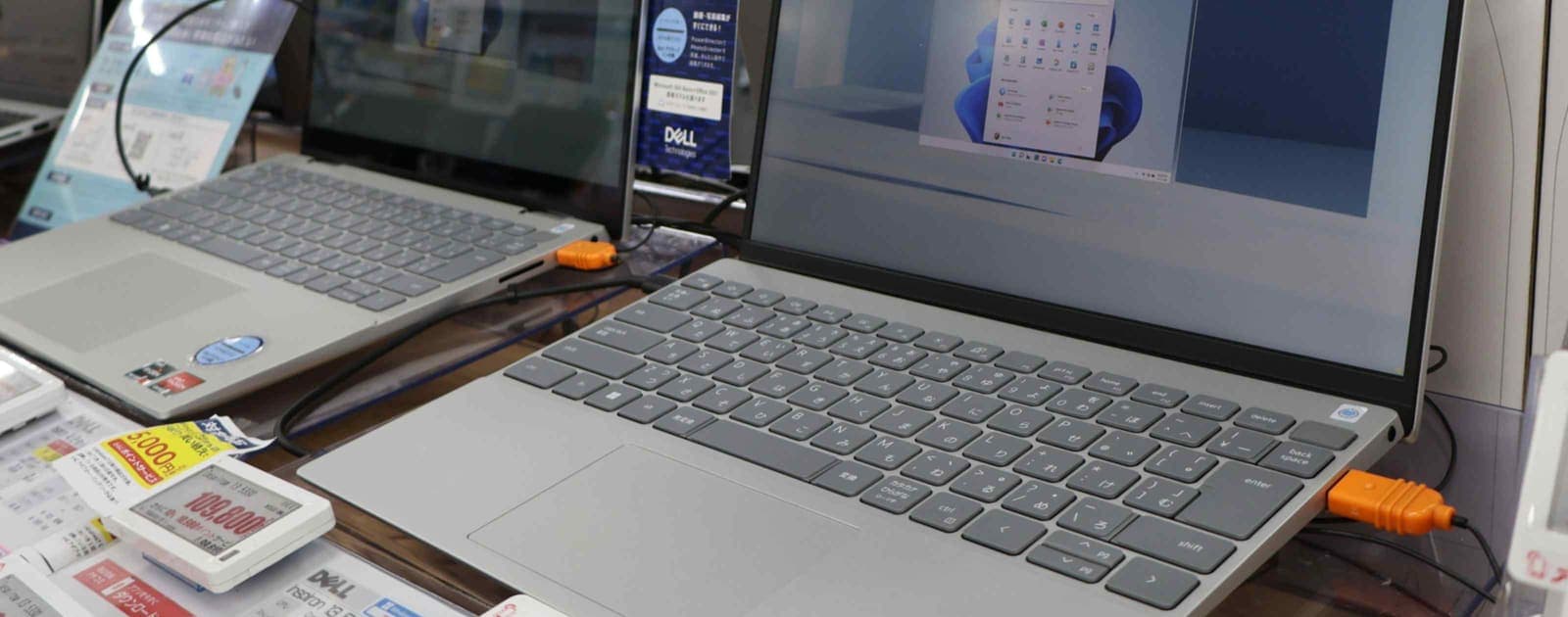
The consequences are measurable. Personal computer shipments in Japan dropped 30 per cent year-on-year in the six months through September, a decline that reflects constrained memory availability rather than weakened consumer interest. Original equipment manufacturers are caught between rising input costs and price-sensitive retail channels, with limited room to manoeuvre.
Why Hyperscalers Win the Allocation Battle
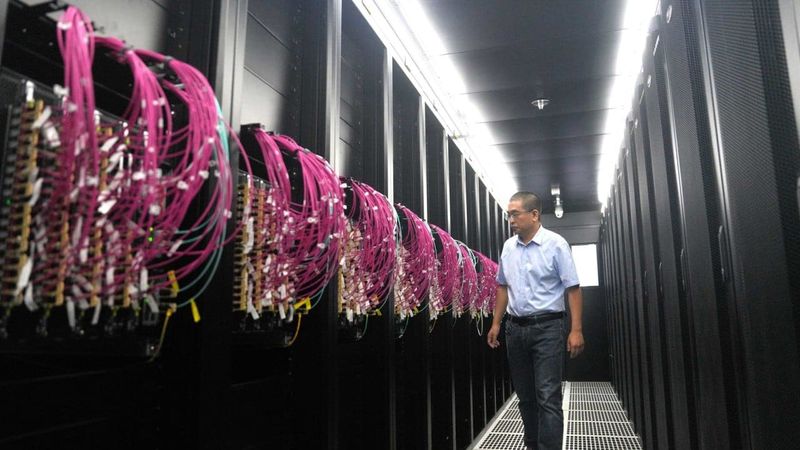
The economics are straightforward. Hyperscale operators - Amazon Web Services, Microsoft Azure, Google Cloud, and their peers - sign multi-quarter supply agreements with minimum volume commitments and are willing to absorb premium pricing. Their data centres are the infrastructure layer for generative AI services, which require dense memory configurations and tolerate little latency.
Memory suppliers, in turn, earn higher margins on products tailored for these customers. HBM3 and HBM3E, the latest generations of stacked memory, command prices several multiples above standard DRAM. Even conventional DDR5 modules sold into the server segment fetch better terms than the equivalent capacity destined for consumer laptops.
This is not a temporary arbitrage. The capital expenditure cycle in AI infrastructure is running ahead of most forecasts. When a hyperscaler commits to deploying tens of thousands of accelerators - whether from Nvidia, AMD, or emerging entrants - each unit requires commensurate memory. The supply chain responds to that signal, and consumer demand becomes a residual claimant.
PC Makers Absorb the Cost
Original equipment manufacturers face a choice: pass the cost increase to end users, compress margins, or reduce shipment volumes. In practice, they are doing all three. Pricing for mid-range laptops has edged upward in several markets, but not enough to offset the full input cost rise. Volume cuts have been more pronounced, particularly in segments with thin margins and high price elasticity.
Some manufacturers have shifted assembly to lower-cost geographies in an attempt to reclaim margin, but memory remains a globally priced input. Geographic arbitrage offers limited relief when the constraint is at the wafer level, not in assembly labour.
The divergence also affects product mix. High-end gaming and workstation PCs, where customers tolerate premium pricing, continue to receive allocation. Budget and education-oriented devices, where every dollar of bill-of-materials cost matters, are squeezed hardest.
Regional Exposure and Policy Response
Japan's 30 per cent decline in PC shipments is one data point; other Asia-Pacific markets show similar patterns, though the magnitude varies. South Korea and Taiwan, both major electronics exporters, have seen downstream manufacturers flag memory cost as a headwind in earnings calls.
Governments have taken note, though policy levers are limited. Japan's Ministry of Economy, Trade and Industry has discussed support for domestic semiconductor production, but memory fabrication is capital-intensive and oligopolistic. Subsidies for trailing-edge capacity do not solve allocation decisions made by leading-edge producers.
Export controls and technology transfer restrictions, primarily US-led, add another layer. High-performance memory destined for AI accelerators in certain jurisdictions faces licensing requirements, which paradoxically can tighten supply for unrestricted markets as manufacturers adjust production plans.
The Margin Question for Memory Producers
For the three major DRAM suppliers, the current environment is exceptionally profitable. Quarterly earnings have reached record levels, with net margins expanding as average selling prices rise and utilisation rates remain high. The risk is demand destruction - at some price, hyperscalers delay purchases, and PC makers reduce orders further - but that threshold has not yet been tested.
Capacity expansion is underway, but new fabs take years to commission. Samsung's Pyeongtaek and SK Hynix's Icheon facilities are adding cleanroom space, yet much of that capacity is earmarked for advanced packaging and HBM rather than commodity DRAM. Micron's Idaho and New York projects follow a similar pattern.
The supply response, in other words, is skewed toward the same high-value segments that drove the shortage. Commodity relief may arrive, but it is not the priority.
What Comes Next
Two scenarios could alter the trajectory. The first is a slowdown in AI capital expenditure. If hyperscalers moderate their infrastructure buildouts - whether due to cost discipline, regulatory pressure, or a reassessment of return on investment - memory demand would rebalance toward traditional end markets. Pricing would adjust accordingly, though the lag could be quarters rather than weeks.
The second is a geopolitical or macroeconomic shock that disrupts purchasing patterns. A sharp contraction in enterprise IT spending or a trade dispute affecting semiconductor flows could shift the calculus for memory suppliers.
Neither scenario appears imminent. Hyperscaler guidance for 2027 capital expenditure remains elevated, and AI model training continues to scale. For PC makers and their customers, the current market structure - where data centre workloads command the lion's share of memory supply - is likely to persist well into next year.