US Law Enforcement and Agriculture Databases Breached in Parallel Intrusions
Separate incidents at the FBI and USDA within days of each other expose criminal records and payment systems, raising questions about federal network defences as agencies struggle to determine whether the attacks share a common origin.
Two Agencies, Two Breaches, One Week
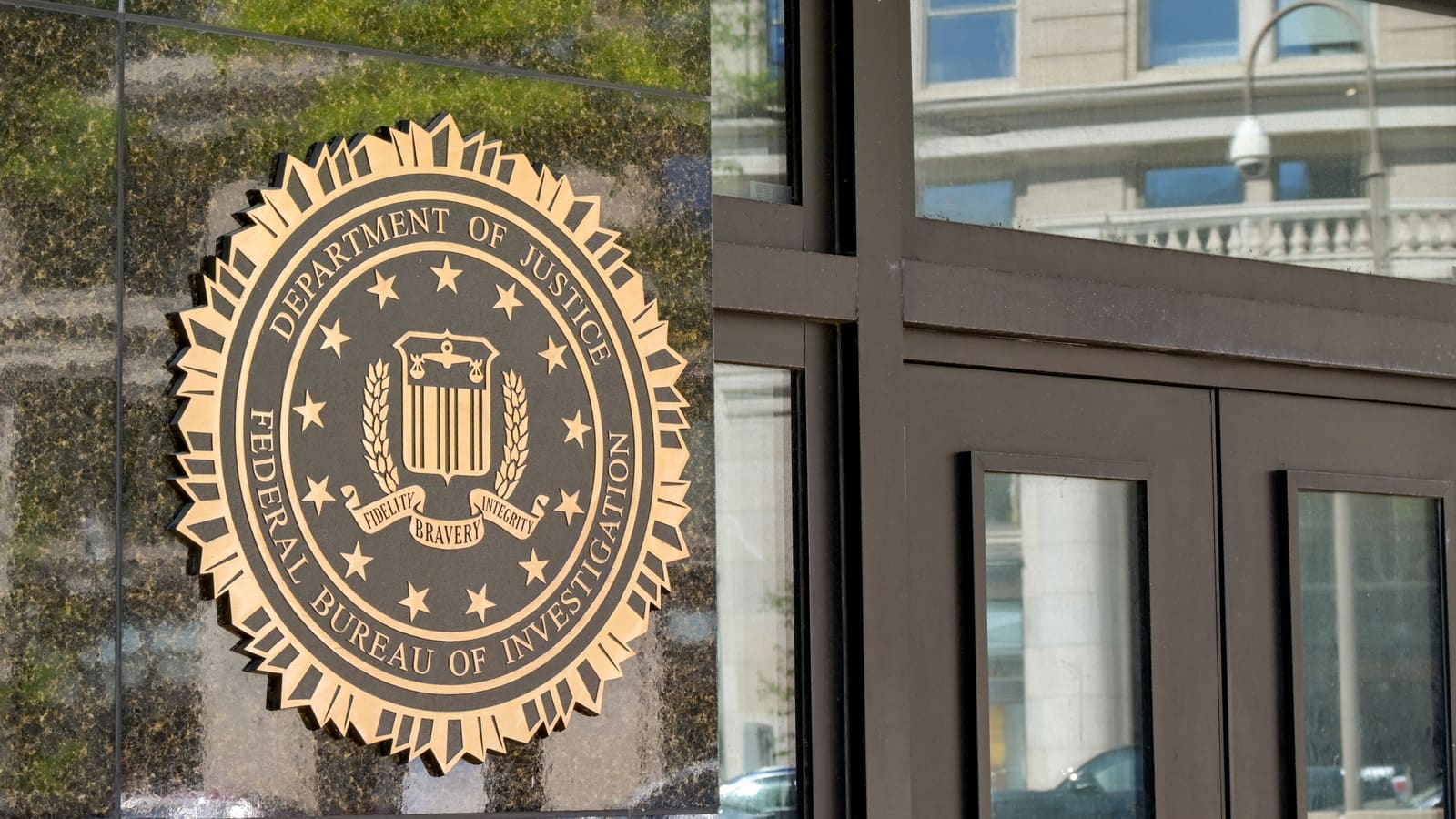
The United States Department of Agriculture took payment systems offline on Thursday following what the agency described as a cybersecurity incident. Less than 24 hours later, the Federal Bureau of Investigation confirmed that intruders had penetrated the National Crime Information Center, a database that stores arrest warrants, stolen vehicle records, and background check data used by police departments nationwide. Both agencies opened investigations but have not publicly determined whether the intrusions share technical signatures, threat actors, or objectives.
The timing alone distinguishes these events from isolated compromises. Within a seven-day span, the National Security Agency reported an internal network outage lasting several days, and the Federal Aviation Administration issued a nationwide ground stop that grounded commercial flights. Each incident disrupted a different function of government operations, yet the clustering suggests either a coordinated campaign or an environment in which multiple adversaries perceive an opportunity.
What the USDA Incident Exposed
The Agriculture Department's breach affected systems that process payments to farmers, rural development grants, and nutrition assistance programmes. Internal guidance obtained by media outlets advised employees to avoid accessing the payments platform, warning that further interaction could expose additional sensitive information. The department has not disclosed which data fields were compromised or how many records were accessible to the intruders.
Payment systems in federal agencies typically contain bank routing details, taxpayer identification numbers, and transaction histories. For the USDA, that means information about subsidies, crop insurance claims, and conservation programme disbursements. A breach of this scope could expose the financial profiles of hundreds of thousands of agricultural producers, many of whom operate on thin margins and rely on timely government payments to manage cash flow during planting and harvest cycles.
The incident also raises operational questions. The USDA manages programmes across rural broadband, food safety inspection, and forestry services, many of which depend on the same enterprise IT infrastructure. If the intrusion originated through a shared authentication gateway or a common software platform, the exposure may extend beyond the payments database. Investigators have not yet disclosed the attack vector, but federal agencies continue to grapple with legacy systems that run on decades-old codebases, making lateral movement easier once an attacker establishes an initial foothold.
The FBI's Criminal Records Database Under Siege
The National Crime Information Center holds more than 12 million active records, according to the FBI's own statistics. State and local law enforcement agencies query the system tens of thousands of times each day to verify warrants, check gun purchase eligibility, and confirm the status of missing persons. The database is considered critical infrastructure for policing across the country, and any downtime or data exfiltration carries immediate consequences for investigations and public safety operations.
The FBI has not confirmed whether data were copied or whether the intrusion was limited to reconnaissance. Even read-only access to the NCIC would offer adversaries a detailed map of active investigations, informant identities inferred from sealed warrants, and patterns in how federal and local agencies prioritise enforcement. For nation-state actors, that intelligence has strategic value. For criminal organisations, it offers a way to identify which members face imminent arrest and which regions are under heightened scrutiny.
This marks the second known breach of FBI systems in 2026. Earlier in the year, a group calling itself ShinyHunters claimed to have extracted between two and three terabytes of data from agency servers, including names, addresses, telephone numbers, social security numbers, and birthdates of employees and job applicants. That breach underscored the vulnerability of human resources and background investigation systems, which often reside on separate networks with less stringent monitoring than operational databases. The recurrence of incidents suggests that perimeter defences remain porous despite repeated warnings from the Cybersecurity and Infrastructure Security Agency.
Pattern or Coincidence
US federal agencies have faced a rising tempo of network disruptions over the past twelve months, but the concentration of incidents in a single week is unusual. The NSA outage, the FAA ground stop, and now the USDA and FBI breaches present a pattern that investigators must assess for coordination. Attribution in cybersecurity is notoriously difficult, and even when technical indicators point to a known group, establishing intent and command structure can take months.
One hypothesis is that multiple threat actors, observing the NSA and FAA incidents, accelerated their own operations to exploit a perceived window of distraction or resource strain within federal incident response teams. Another is that a single well-resourced adversary is conducting a campaign designed to probe defences across different agencies, testing response times, backup protocols, and inter-agency communication. A third possibility is that these are unrelated intrusions that happen to overlap, a statistical clustering that reflects the baseline level of hostile activity targeting US government networks.
The agencies involved have not shared technical details that would allow independent researchers to correlate indicators of compromise. Without that transparency, the public and even allied governments must rely on official statements that offer little insight into root causes or remediation timelines.
Why Federal IT Remains Vulnerable
The recurring nature of these breaches points to structural weaknesses in federal IT architecture. Many agencies operate on hybrid environments that combine cloud services with on-premises data centres, creating seams where authentication and logging standards vary. Legacy systems, some running software that has not received security patches in years, remain in production because the cost and risk of migration are perceived as higher than the cost of incremental hardening.
Budget constraints also play a role. Cybersecurity spending across federal civilian agencies has increased in nominal terms, but the threat landscape has evolved faster. Nation-state actors now deploy zero-day exploits, supply chain compromises, and social engineering at scale, while federal procurement cycles for defensive tools can stretch across multiple fiscal years. The result is a persistent gap between the sophistication of attacks and the maturity of defences.
Workforce challenges compound the problem. Federal agencies compete with private sector firms for cybersecurity talent, and government salaries often lag behind what technology companies and financial institutions offer. High turnover in incident response teams means that institutional knowledge is lost, and new hires spend months learning the idiosyncrasies of agency networks before they can contribute to active defence.
Regional Implications for Allied Networks
The United States remains the primary target for cyber espionage and disruption, but allies in Asia, Europe, and the Pacific observe these incidents as signals of broader vulnerability. Governments in South Korea, Japan, and Singapore have invested heavily in national cybersecurity frameworks, yet they rely on intelligence sharing and joint threat assessments with US agencies. When the FBI's criminal database or the USDA's payment systems are compromised, the credibility of shared intelligence and the security of interconnected networks come into question.
For countries that depend on US defence commitments, these breaches raise concerns about the resilience of command and control systems, satellite communications, and logistics networks that underpin military cooperation. If federal civilian agencies struggle to secure payment databases and criminal records, adversaries may infer that military networks face similar risks, even if those systems operate under different security regimes.
The incidents also influence how governments approach their own digital infrastructure projects. Several Southeast Asian nations are in the process of consolidating citizen data into centralised platforms for tax collection, health records, and social services. The US experience serves as a cautionary example of the risks inherent in large-scale digitisation without corresponding investment in monitoring, segmentation, and incident response.
What Comes Next
Both the USDA and the FBI have launched internal investigations, but public disclosure of findings is unlikely to be swift. Federal agencies face legal and operational constraints on what they can reveal about ongoing probes, and premature disclosure of technical details can alert adversaries to detection methods or forensic capabilities.
In the near term, affected systems will remain offline or operate under restricted access until investigators can confirm that backdoors have been closed and that no persistent access mechanisms remain. For the USDA, that means delays in processing payments at a time when agricultural producers are preparing for the next planting season. For the FBI, it may mean temporary reliance on manual processes or alternative databases, slowing the pace of warrant checks and background investigations.
Longer-term responses will depend on whether Congress appropriates additional funds for modernisation and whether the executive branch prioritises cybersecurity as a cross-agency imperative rather than a line item in individual department budgets. The clustering of incidents in a single week offers a political opportunity for advocates of reform, but it also risks triggering reactive measures that address symptoms rather than root causes.
The question for federal IT leaders is not whether another breach will occur, but whether the next one will be detected faster, contained more effectively, and disclosed more transparently. The events of this week suggest that all three metrics remain far from where they need to be.