Tesla's Optimus Production Begins Amid 43% Profit Decline
The electric vehicle maker has repurposed Fremont factory space to manufacture humanoid robots, even as flat EV sales and AI investments squeeze margins.
From EVs to Humanoids
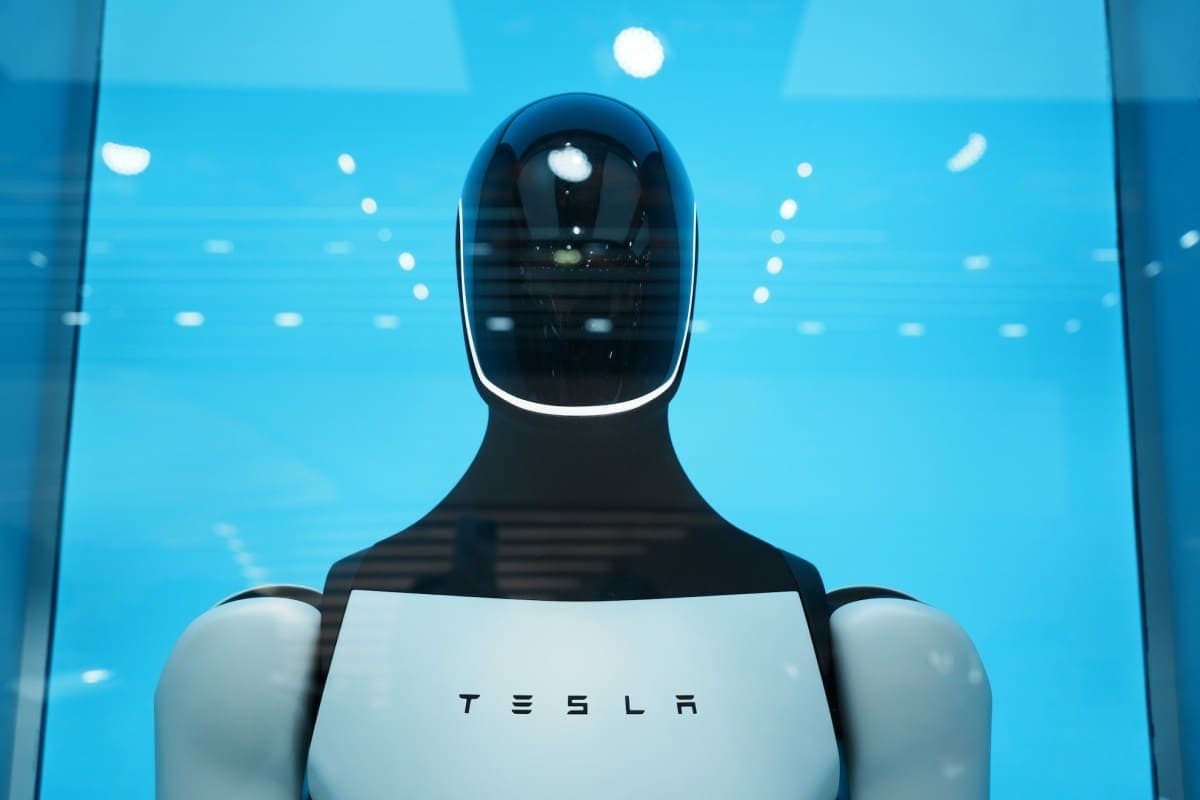
Tesla has begun manufacturing its Optimus humanoid robot at its Fremont, California facility, converting floor space previously allocated to electric vehicle production. According to the company's third-quarter shareholder letter, the units now leaving the line represent the first production-grade robots it has built, with the manufacturing process deemed suitable for commercial deployment despite ongoing refinement.
The timing reflects a calculated gamble. Whilst Tesla's core automotive business treads water - vehicle deliveries reached 486,532 units in the third quarter, marginally up from the prior quarter but down year-on-year - the company is channelling resources into robotics, artificial intelligence infrastructure, and autonomous driving capabilities. That reallocation has come at a steep cost to near-term profitability.
The Arithmetic of Ambition
Tesla reported net income of 787 million US dollars for the quarter, down 43 per cent from 1.37 billion dollars in the same period of 2025. Revenue held essentially flat at 28.04 billion dollars, a modest decline from both the prior quarter and the year-ago figure. Electric vehicle sales accounted for 20 billion dollars of that total, unchanged year-on-year.
The profit compression stems from ballooning expenses tied to AI development and the Optimus programme. Tesla's energy and solar storage segment saw revenue fall 16 per cent to 2.8 billion dollars, attributed to tariff-related customer refunds. A bright spot emerged in services - a category encompassing Full Self-Driving software subscriptions - which grew 33 per cent year-on-year to 4.6 billion dollars and contributed a record 734 million dollars in gross profit.
Lower sales of regulatory credits, a historically lucrative line item for Tesla, added further pressure to the bottom line.
Production Targets and Design Realities
Elon Musk characterised the Optimus rollout as "early production" on the company's quarterly conference call, projecting a manufacturing rate of 20,000 units per week by the end of 2027. He acknowledged the ramp would be "somewhat bumpy" given the product's novelty, and flagged outstanding engineering challenges around durability and longevity. A robot that degrades after a month of operation, he noted, falls short of commercial viability.
Tesla's shareholder letter emphasised that whilst the current manufacturing process has been validated, iteration on both hardware and production methods will continue. The company is still working to enhance the AI that governs the robot's ability to handle open-ended tasks - the difference between a factory-floor automaton and a genuinely useful general-purpose machine.
Autonomous Ambitions, Delayed Again
Tesla executives struck a bullish tone on Full Self-Driving, even as timelines for the "unsupervised" version - equivalent to Level 4 autonomy - slipped once more. Ashok Elluswamy, vice president of AI software, suggested the second quarter of next year as a plausible window for enabling customer-owned vehicles to join a robotaxi fleet via over-the-air software update. Musk had previously indicated in April that the unsupervised version would "probably" arrive in the fourth quarter of this year.
Today's FSD offering remains supervised, requiring drivers to maintain attention and readiness to intervene. The unsupervised variant would mark a step change, allowing vehicles to operate without human oversight in defined conditions - a capability that remains elusive across the industry.
The Bet in Context
At Opentechwire, we've tracked Tesla's pivot from pure-play EV manufacturer to a conglomerate spanning energy, software, and now robotics. The Optimus programme represents the most tangible expression of that expansion, yet it arrives at a moment when the company's traditional revenue engine is no longer accelerating. Vehicle deliveries have plateaued, and the competitive landscape in electric vehicles - particularly in China and Europe - has intensified.
The decision to allocate Fremont factory space to robots rather than cars signals confidence that the robotics market will justify the opportunity cost. Whether 20,000 humanoid robots per week by late 2027 is achievable, and whether demand materialises at that scale, remains an open question. Industrial automation is a proven market, but general-purpose humanoid robots occupy a category still searching for product-market fit.
Tesla's financial profile now resembles that of a company in transition: flat top-line growth, margin compression, and heavy reinvestment in nascent technologies. The services segment's 33 per cent growth offers a glimpse of what diversified revenue streams might eventually deliver, but for now the company is asking investors to look past a 43 per cent profit decline and trust the long-term payoff.
What Comes Next
The robotics industry has long struggled with the economics of humanoid form factors. Boston Dynamics, Agility Robotics, and a cohort of Asia-based manufacturers have pursued similar visions with varying degrees of commercial traction. Tesla's advantage lies in its manufacturing scale and vertical integration - capabilities honed through years of EV production - but those strengths have yet to translate into a proven robotics business model.
The company's willingness to iterate publicly, and to tolerate a "bumpy" production ramp, mirrors its approach to early Model 3 manufacturing. That period was marked by production bottlenecks, quality issues, and intense scrutiny, but ultimately yielded the volume necessary to sustain the business. Whether Optimus follows a similar trajectory depends on Tesla's ability to solve durability, AI, and cost challenges faster than competitors, and to identify applications where humanoid robots deliver compelling ROI.
For now, Tesla is manufacturing robots in a factory that once made cars, reporting lower profits, and projecting confidence that the bet will pay off. The market will render its verdict in the quarters ahead.