Nvidia Posts Record Revenue Amid Pressure Campaign for Huang's Return
The chipmaker delivered strong guidance and closed off China sales routes while a public petition seeks to reinstate the ousted CEO
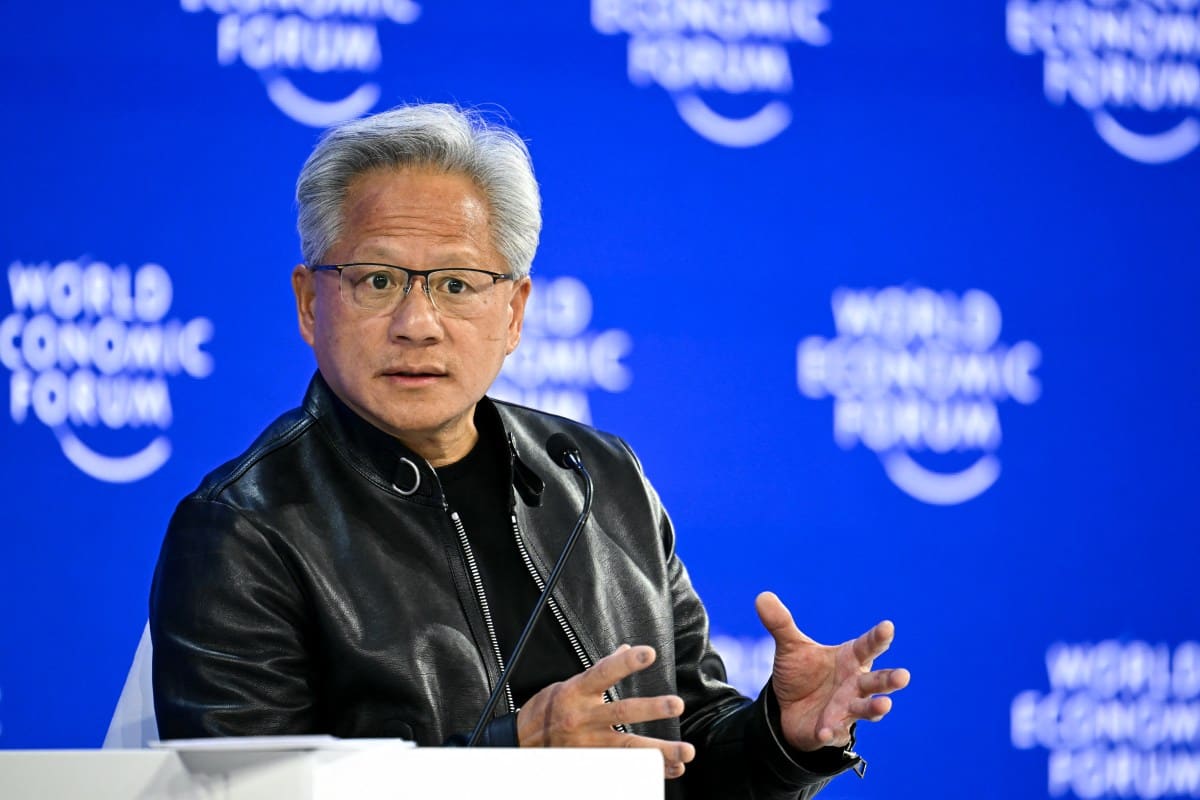
Dual Narratives at the AI Chipmaker
Nvidia delivered guidance that exceeded analyst expectations in its latest earnings release, yet the company's stock has continued to slide as a vocal campaign to reinstate former chief executive Jensen Huang gains momentum. Interim CEO Colette Kress closed the earnings call with an assertion that the current leadership team "has this," while outside the boardroom, a petition backed by high-profile figures including Elon Musk circulates through the industry.
The contrast underscores the uncertainty now shadowing the company that has captured the largest share of the market for AI training accelerators. Huang, who led Nvidia for more than two decades before his abrupt departure, has publicly stated he is prepared to return. The board has so far rebuffed the campaign, but the speed and firmness of that rejection may itself signal internal tension.
China Sales Halted
Kress announced that Nvidia will cease sales of its H200 chips to China, aligning the company with stricter export enforcement now being discussed within the US administration. The move closes a route that had allowed Chinese firms to access high-performance compute through data centres located just outside the country's borders, particularly in Malaysia and neighbouring jurisdictions.
Under that arrangement, companies in China leased remote access to chips housed in foreign facilities, skirting direct export restrictions. The Trump administration's current posture suggests those workarounds will no longer be tolerated. Nvidia's decision to halt H200 distribution pre-empts regulatory action and distances the company from an export channel that has drawn scrutiny.
Industry observers estimate that as much as 20 per cent of Nvidia's revenue has indirect exposure to China, routed through distributors and cloud providers in Southeast Asia and elsewhere in the region. Those figures do not appear as direct China sales in financial filings, but the underlying demand originates with Chinese customers. If enforcement tightens across the supply chain, the revenue impact could prove material.
The Petition and the Investigation
Huang's potential return is complicated by an ongoing investigation into whether Nvidia executives were aware of chips reaching China through grey-market channels. The scope and findings of that inquiry remain undisclosed, but the existence of the probe constrains the board's options. Reinstating Huang before the investigation concludes would invite questions about accountability and oversight.
The petition calling for his return has circulated at industry conferences over the past week, gathering endorsements from executives whose own companies are among Nvidia's largest customers. Musk's public backing adds both visibility and pressure. Yet the board's swift rejection of the campaign suggests a determination to retain control over succession decisions and avoid the appearance of capitulation to external lobbying.
Nvidia is a publicly traded entity, and any leadership change would require board approval and, depending on the circumstances, shareholder consent. The dynamics differ from the recent tumult at OpenAI, where a non-profit structure allowed a small board to act unilaterally. At Nvidia, institutional investors hold significant sway, and their views on Huang's departure and possible return have not been aired publicly.
Performance Under New Leadership
The most recent quarter reflects results delivered under Huang's tenure; his exit took effect only after the period closed. Proponents of his return argue that the current strong performance cannot be attributed to the new executive team and that future quarters will reveal whether the company can sustain its trajectory without him.
Nvidia's pipeline remains robust, according to guidance provided on the earnings call. Demand for AI infrastructure has not abated, and the company continues to command pricing power in the data-centre accelerator segment. Supply constraints have eased relative to a year ago, allowing Nvidia to fulfil a larger proportion of orders, though lead times for some products remain extended.
The question facing investors is whether the operational machine Huang built can continue at the same pace under different leadership, or whether his absence will manifest in slower product cycles, weakened customer relationships, or strategic missteps. The next two quarters will offer the first evidence.
What the Board Faces
Nvidia's board is navigating overlapping pressures: an unresolved investigation, a public campaign for Huang's return, and the need to demonstrate that the current leadership can deliver results. The board's public stance has been unequivocal, but the company's messaging shifted within days earlier this month, from expressing full confidence in Huang's leadership to announcing his departure. That sequence has left room for speculation about what circumstances might prompt another reversal.
The coming weeks will clarify whether the petition gains traction beyond a vocal minority or whether it represents a broader loss of confidence among Nvidia's customers and partners. The board's ability to maintain its position may depend on the next earnings cycle and on the conclusions of the investigation into China export compliance.
For now, the company is operating under a split screen: record revenue and tightened compliance on one side, leadership uncertainty and external pressure on the other. How long that tension persists will depend on factors both inside and outside the boardroom.