China Approves Alibaba Models for Apple Intelligence Ahead of iPhone Duo Launch
Regulatory clearance arrives nearly two years after the feature debuted in the US, unlocking Siri upgrades for mainland customers
Regulatory Green Light After Two-Year Wait
China's Ministry of Industry and Information Technology has granted regulatory approval for Alibaba's Tongyi Qianwen large language models, commonly referred to as Qwen, to power Apple Intelligence features on devices sold in the mainland. The approval also covers Tongyi Wanxiang, Alibaba's image and video generation tool, according to updated regulatory filings.
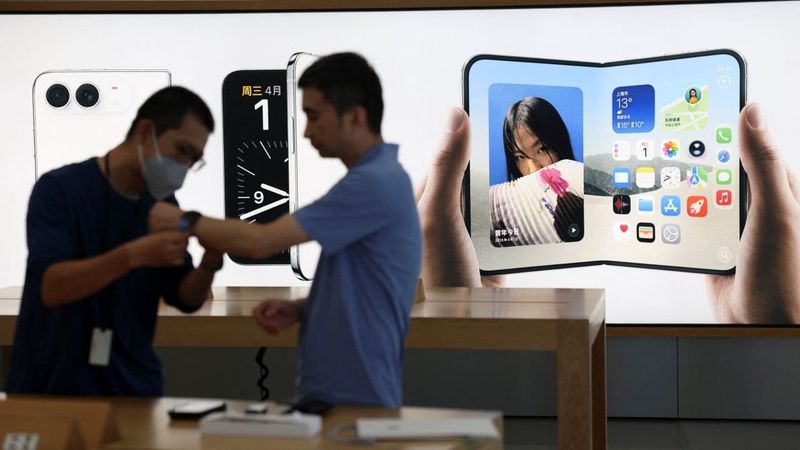
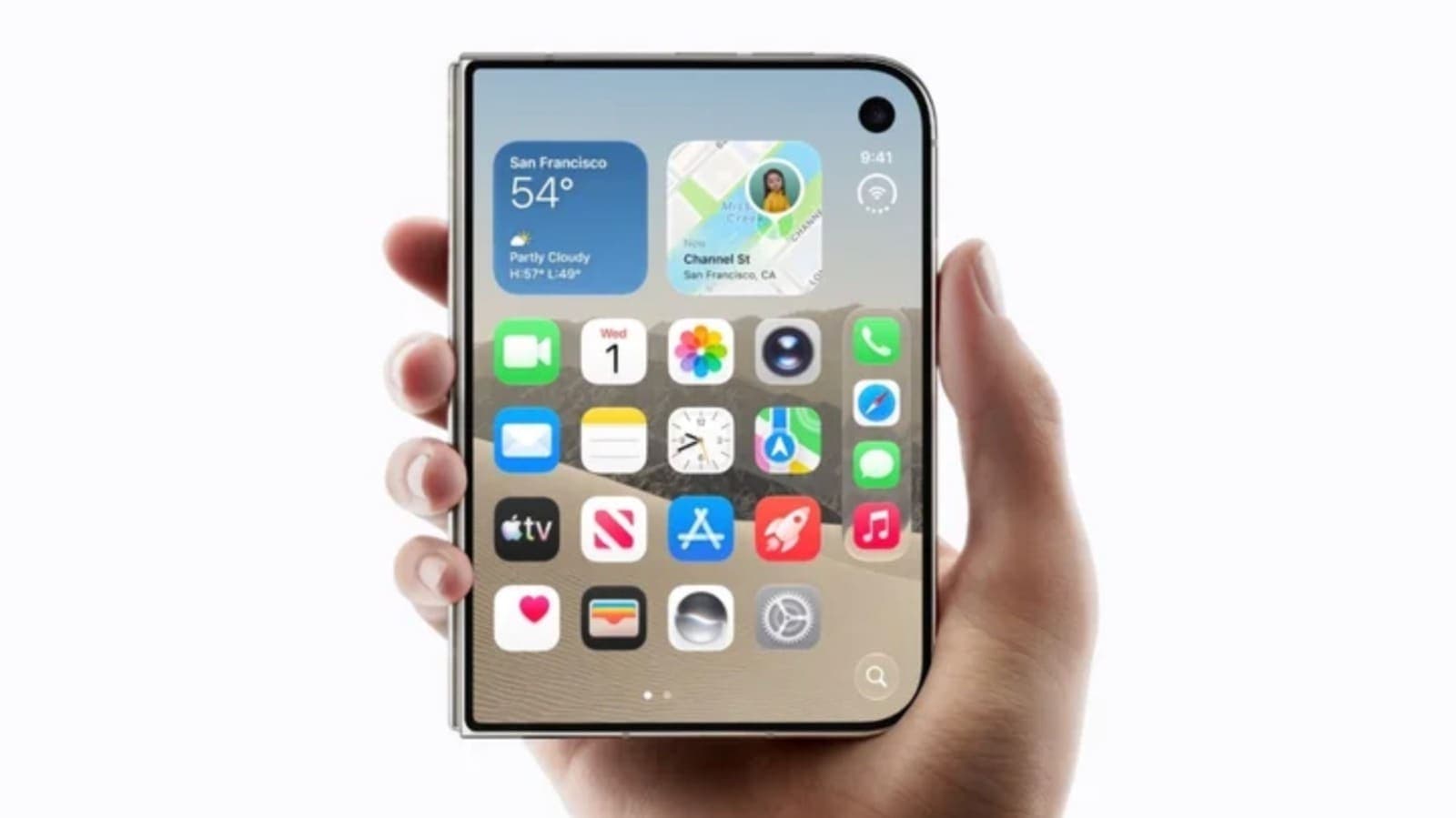
The timing aligns with the iPhone Duo's scheduled launch in China next week, where the enhanced Siri capabilities represent one of the device's primary software attractions. Network access permits for both the iPhone Duo and 18 Pro now appear in the ministry's records.
Apple had secured initial clearance to deploy its AI system in mainland China back in July, yet held off on rollout. The additional approvals remove the final regulatory obstacle that kept the feature set unavailable to customers in one of Apple's most commercially significant territories.
A Market-Specific AI Strategy
The path Apple has taken in China differs sharply from its approach elsewhere. In the United States and most other markets, the company has partnered with Google and OpenAI to train its models and route complex queries beyond the capabilities of on-device processing. That architecture cannot function in mainland China, where regulatory requirements around data sovereignty and algorithmic accountability demand local partnerships.
Discussions between Apple and Chinese AI firms surfaced publicly in early 2025, with Alibaba identified as the likely collaborator. By mid-2026, the partnership was confirmed: Qwen would serve as the inference engine for Apple Intelligence on compatible iPhone, iPad, Mac and Vision Pro hardware sold to Chinese customers.
The arrangement reflects a broader pattern among Western technology companies operating in China. Localising AI features is not simply a matter of translation or server location; it requires embedding models that have passed through the country's algorithmic review process and partnering with entities that hold the necessary licences.
Hong Kong Already Has Access
Apple Intelligence has been available in Hong Kong for some time, illustrating the regulatory divide between the special administrative region and the mainland. Hong Kong operates under a distinct legal framework that does not require the same level of pre-approval for AI algorithms or mandate partnerships with domestic firms.
For mainland customers, the delay has been conspicuous. The feature launched in the US nearly two years ago, and the absence of Siri's upgraded capabilities, enhanced writing tools, and image generation features has left a visible gap in the user experience on devices marketed as premium hardware.
The iPhone Duo's arrival next week will mark the first time mainland buyers can purchase a new iPhone with the full suite of AI features enabled out of the box, assuming the regulatory approvals translate smoothly into software deployment.
Implications for Apple's China Revenue
China remains a critical revenue driver for Apple, despite mounting competition from domestic smartphone makers such as Huawei, Xiaomi, and Oppo. The company's ability to differentiate its devices through software and ecosystem integration has been central to maintaining its premium positioning.
The two-year lag in deploying Apple Intelligence has arguably blunted that edge. Competitors have not stood still; Chinese handset manufacturers have integrated their own AI features, often powered by local models such as Baidu's Ernie or Alibaba's Qwen, into devices at multiple price points.
Restoring feature parity with global markets may help Apple recapture momentum, particularly among enterprise and high-income consumers who value cross-device continuity and privacy assurances. However, the delay has already cost the company a window of exclusivity that it enjoyed elsewhere.
The Broader Landscape of AI Regulation in China
China's approach to AI governance is among the most structured in the world. Algorithms that influence user behaviour, recommend content, or generate media must undergo security assessments and obtain approval from the Cyberspace Administration of China or relevant ministries. Large language models require separate licensing, and firms must demonstrate compliance with content safety standards that prohibit outputs deemed politically sensitive or socially destabilising.
For foreign companies, this regulatory environment necessitates either partnering with a licensed domestic entity or establishing a wholly owned subsidiary that can navigate the approval process independently. Apple has chosen the former route, leveraging Alibaba's existing regulatory standing and technical infrastructure.
The partnership also insulates Apple from direct liability for model outputs. If Qwen generates content that violates Chinese regulations, responsibility rests primarily with Alibaba, which holds the algorithmic licence and operates the inference infrastructure.
What Happens Next
The immediate question is whether the approvals will result in a smooth rollout or encounter further delays. Regulatory clearance is necessary but not always sufficient; software updates must still pass through Apple's internal quality assurance, and carrier partnerships in China may require additional coordination.
Assuming deployment proceeds as planned, the iPhone Duo will enter the market with a feature set that more closely resembles what Apple offers elsewhere. That parity matters not only for device sales but also for the company's broader services strategy, which increasingly relies on AI-enhanced experiences to drive engagement with iCloud, Apple Music, and other subscription offerings.
For Alibaba, the partnership represents a significant validation of its AI capabilities and a revenue stream tied to one of the world's most valuable consumer electronics franchises. The company has invested heavily in Qwen's development, and embedding it in hundreds of millions of iPhones sold over the coming years provides both scale and visibility.
The arrangement also sets a precedent. Other foreign technology firms seeking to deploy AI features in China will likely follow a similar playbook: identify a domestic partner with regulatory approval, integrate their models, and accept the constraints that come with operating in a tightly controlled digital environment.
At Opentechwire, we've tracked the evolution of AI regulation across Asia for several years, and China's model stands out for its combination of technical sophistication and political control. The country is not simply blocking foreign AI; it is reshaping the architecture of how those systems operate within its borders, ensuring that data flows, model behaviour, and commercial relationships align with state objectives. Apple's partnership with Alibaba is a case study in that dynamic, and it will not be the last.