Musk Abandons Apple in Antitrust Fight, Keeps OpenAI Under Pressure
The Tesla founder has dropped his monopoly claims against Apple-ChatGPT integration but continues legal action targeting OpenAI's market position in generative AI.
A Strategic Retreat on One Front
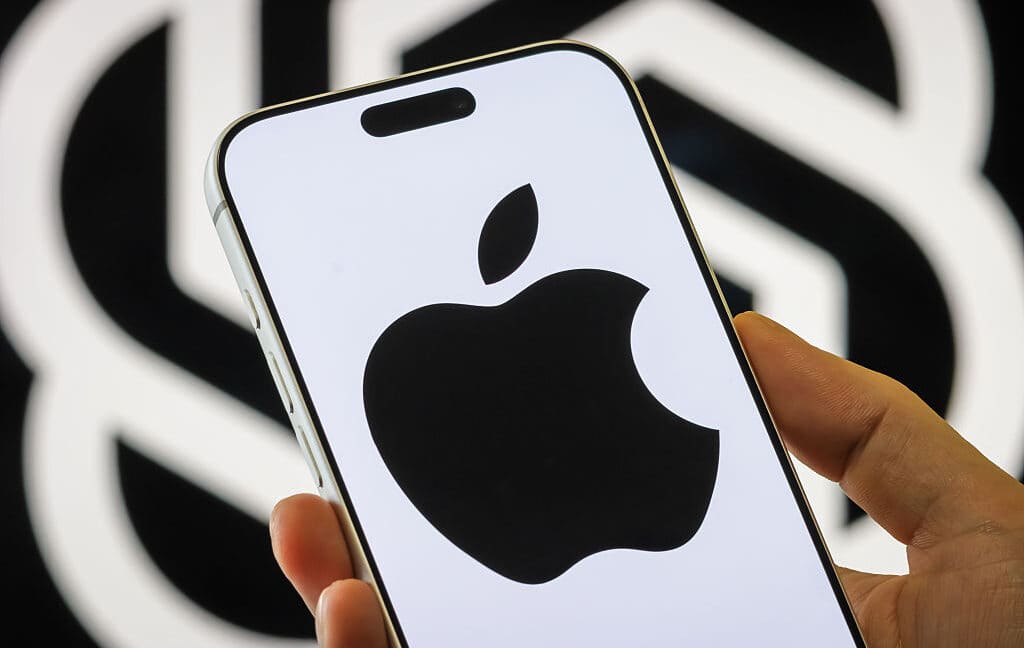
Elon Musk has quietly withdrawn Apple from his ongoing antitrust litigation, closing a chapter in a dispute that began in mid-2024 when the iPhone maker first announced its partnership with OpenAI to embed ChatGPT capabilities into iOS features. The move marks a significant shift in litigation strategy: while Apple exits the case, OpenAI remains squarely in Musk's crosshairs.
The lawsuit, filed in 2025, centred on allegations that Apple and OpenAI had constructed what Musk characterised as a "monopoly" over AI prompts submitted by iPhone users. His legal team argued that the arrangement restricted competition in both smartphone and chatbot markets, effectively channelling user queries exclusively through OpenAI's infrastructure. That exclusivity, Musk contended, foreclosed rivals from accessing the lucrative iOS user base and distorted competitive dynamics in the nascent generative AI sector.
The "Creepy Spyware" Accusation
When Apple first unveiled its ChatGPT integration in 2024, Musk's response was immediate and colourful. He publicly condemned the partnership as tantamount to installing "creepy spyware" on millions of devices, framing the arrangement as a privacy violation rather than a mere business agreement. The rhetoric reflected broader anxieties about how generative AI systems handle user data, particularly when embedded at the operating-system level where they can access messages, emails, and other sensitive information.
At the time, Apple emphasised that its implementation employed on-device processing where possible and that prompts sent to OpenAI's servers would be anonymised. Musk remained unconvinced, and the spyware charge became a recurring theme in his public criticism of both companies.
App Store Rankings and the Escalation
The dispute intensified in August 2025, when Musk alleged that Apple's app-ranking algorithms were systematically preventing Grok, his own chatbot developed under xAI, from reaching the top position in the App Store charts. He described Apple's behaviour as making it "impossible for any AI company besides OpenAI to reach #1 in the App Store", calling the practice an "unequivocal antitrust violation".
That claim suggested Musk believed Apple was not merely favouring its ChatGPT partnership through system-level integration but also manipulating third-party app discovery to entrench OpenAI's advantage. Whether the allegation referred to opaque ranking criteria, preferential placement in curated lists, or other mechanisms was never fully detailed in public filings. Regardless, it underscored Musk's view that the partnership extended beyond a simple API integration into broader competitive gatekeeping.
Why Drop Apple Now?
The decision to remove Apple from the suit while keeping OpenAI in play invites several interpretations. One possibility is that Musk's legal team concluded the evidence for App Store manipulation or monopolistic conduct by Apple was thinner than initially assessed. Antitrust cases hinging on app-store practices face high evidentiary bars in US courts, particularly after recent judicial scepticism towards claims that platform owners owe third parties guaranteed access or ranking parity.
Another factor may be commercial pragmatism. Musk's companies, including Tesla and SpaceX, maintain significant relationships with Apple's supply chain and developer ecosystem. A protracted legal battle risked collateral damage to those ties. OpenAI, by contrast, is a direct competitor in the AI model space and presents no such entanglement.
Finally, the withdrawal could reflect a narrowing of legal strategy. By focusing exclusively on OpenAI, Musk sharpens the case around allegations of market dominance in generative AI rather than diluting it with parallel claims about smartphone platforms. That tighter framing may improve the odds of surviving a motion to dismiss, particularly if Musk's team can demonstrate harm to xAI's ability to compete for enterprise contracts, API partnerships, or consumer mindshare.
OpenAI's Continued Exposure
For OpenAI, the persistence of the lawsuit represents ongoing distraction at a moment when the company is navigating its own governance challenges and competitive pressures from Anthropic, Google, and others. The core allegation - that it has monopolised access to a critical distribution channel - will require OpenAI to demonstrate that rival models remain viable routes to market and that its partnerships do not foreclose competition.
US antitrust law generally requires plaintiffs to show both market power and exclusionary conduct. Musk will need to establish that OpenAI commands a dominant share of the relevant market, whether defined as consumer chatbots, foundation models, or some narrower segment, and that the Apple partnership or other arrangements have materially harmed competitors. OpenAI is likely to argue that the market remains fluid, that users can easily switch between models, and that integration with one platform does not preclude distribution through others.
Implications for AI Distribution Deals
The case, even in its scaled-back form, signals that partnerships between AI model developers and platform owners will face antitrust scrutiny, particularly when those platforms control access to hundreds of millions of users. Apple's decision to integrate ChatGPT was mirrored by similar moves from other consumer-tech giants, including Microsoft's deep investment in OpenAI and Google's integration of Gemini across its product suite.
If Musk's claims gain traction, future distribution deals may require more explicit provisions for rival access or interoperability. Regulators in the EU and UK have already signalled interest in ensuring that generative AI markets do not ossify around a handful of incumbents. The outcome of this litigation could shape how those concerns translate into enforcement action or settlement conditions on both sides of the Atlantic.
For now, OpenAI faces the prospect of discovery, depositions, and motion practice without the shared burden of a co-defendant. Whether Musk's narrowed focus proves more effective than his original multi-front assault will depend on the strength of evidence his legal team can marshal - and on how courts choose to define the boundaries of competition in an industry still taking shape.