Matt Mullenweg Reclaims Automattic CEO Role After Board Standoff
The WordPress founder returned to his position days after a board vote placed him on leave, in a power struggle that played out on Slack and social media
The Reversal
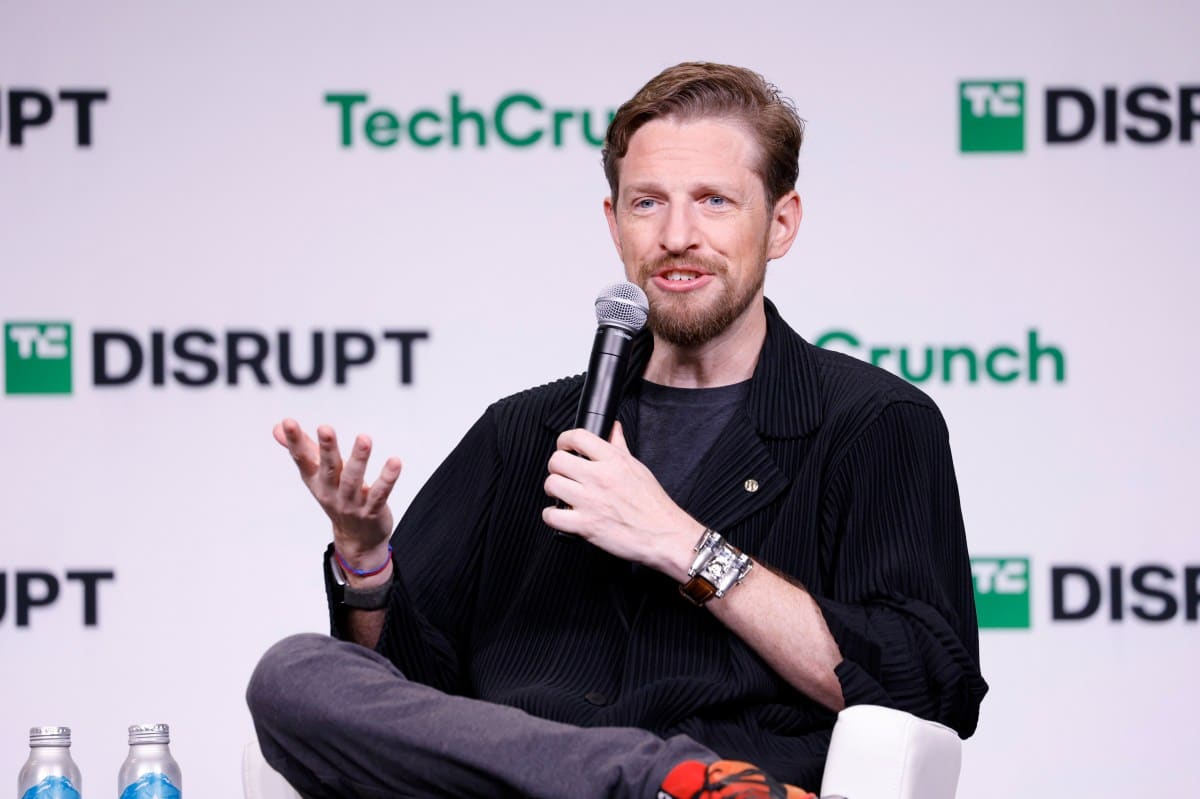
Matt Mullenweg is back at the helm of Automattic, the parent company of WordPress.com, after a turbulent week that saw the board attempt to sideline him through a formal vote. The company confirmed on Saturday evening that Mullenweg has returned as chairman and CEO with the board's full support, closing a chapter on what appears to be the latest in a series of internal power struggles at the influential web infrastructure firm.
The confirmation came via an official statement that pointed to supportive messages from executives and employees circulating online, a reference to posts on X that Mullenweg had been sharing from his account. The reversal marks a swift collapse of the board's initial plan, which had placed the founder on paid leave earlier in the week for reasons that remain undisclosed.
How the Standoff Unfolded
The board's move to remove Mullenweg came as a surprise, at least to him. According to the company's initial statement, Chief Financial Officer Mark Davies was set to lead as interim CEO with the board's confidence. The transition appeared formalised, with Automattic confirming on Wednesday that Mullenweg was "currently on leave."
But the handover never took hold. Multiple accounts suggest Mullenweg refused to step aside, instead taking control of the company's Slack workspace by removing other administrators and posting messages to employees declaring that the situation had been resolved and he remained in charge. In one message, he wrote, "I'm a pirate now," an uncharacteristic departure from his typically measured communication style. Another post read, "If this is an HR problem, please wrangle me in since my normal wranglers are with Mark Davies."
The tone of the messages, including the use of profanity, marked a sharp break from Mullenweg's public persona. When asked directly whether his declarations of returning to the CEO role were genuine, he declined to provide a straight answer, instead promising a blog post that, when published, turned out to be about purchasing a houseboat. Pressed further on whether he was trolling, he replied, "I'm not a troll I'm a pirate, obviously."
A Pattern of Internal Friction
This is not the first time Mullenweg has faced internal challenges to his leadership. He noted on X that this episode likely represents the fifth "coup" he has encountered, suggesting a recurring pattern of friction between the founder and other stakeholders within Automattic's governance structure.
The company has remained tight-lipped about the underlying reasons for the board's initial decision. No explanation has been provided for what prompted the vote to place Mullenweg on leave, nor why the board subsequently reversed course. The opacity has fuelled speculation about disagreements over strategic direction, management style, or other unresolved tensions within the leadership team.
Reports have also emerged that Toni Schneider, a founding CEO of Automattic who currently leads the decentralised social network Bluesky, may have stepped down from the board during or after the standoff. Schneider did not respond to requests for comment, and Automattic has not confirmed any changes to the board's composition. The company has acknowledged that the board's make-up may still be shifting.
The Broader Context
Automattic occupies a unique position in the web ecosystem. WordPress powers more than 40 per cent of websites globally, and the company's dual role as both a commercial entity and a steward of open-source software creates inherent tensions. Mullenweg's leadership style, which blends founder control with open-source philosophy, has at times clashed with the expectations of investors and board members who may seek more conventional governance structures.
The episode also raises questions about the effectiveness of corporate governance when a founder holds both operational and board-level authority. Mullenweg's simultaneous roles as chairman and CEO concentrate decision-making power, making it difficult for the board to exercise independent oversight. The failed attempt to remove him suggests that, in practice, Mullenweg's control over the company may be more entrenched than formal structures would indicate.
For employees, the week's events created uncertainty and confusion. The public airing of internal conflict, including messages posted to Slack and shared externally, is unusual for a company of Automattic's stature. The lack of clear communication from leadership about the reasons for the conflict or its resolution leaves open questions about how the company will move forward.
What Comes Next
With Mullenweg reinstated, the immediate crisis appears resolved. However, the underlying issues that prompted the board's action remain unaddressed. The company has not outlined any changes to governance, reporting structures, or strategic priorities that might prevent similar conflicts in future.
The silence from Automattic about board changes adds another layer of uncertainty. If Schneider has indeed departed, it would signal a significant shift in the composition of the company's oversight body. Other board members may also reconsider their positions, particularly if the failed removal effort has damaged working relationships.
For Mullenweg, the episode reinforces his position but at a potential cost. The public nature of the conflict, and his unconventional handling of it, may complicate relationships with investors, partners, and employees who value stability and predictability. The reference to past "coups" suggests that internal dissent is a recurring feature of Automattic's culture, one that may become harder to manage as the company scales.
The WordPress ecosystem, meanwhile, watches closely. Mullenweg's dual role as CEO of Automattic and lead developer of the open-source WordPress project means that instability at the company has implications beyond its own walls. The broader community of developers, agencies, and businesses that depend on WordPress will be assessing whether this week's turmoil signals deeper vulnerabilities in the governance of a platform on which so much of the web depends.