Large Language Models Are Turning Every Device Into Hackable Hardware
Tools like Claude Code now let anyone modify television interfaces, camera firmware, and music gear with simple prompts, raising questions about warranties, security, and the future of consumer electronics.
The Barrier to Entry Has Collapsed
Hardware modification is not new. Enthusiasts have jailbroken phones, installed custom firmware on cameras, and reprogrammed synthesisers for decades. What changed in late 2025 was accessibility: large language models capable of writing and debugging code made these modifications available to anyone who could describe what they wanted.
A developer in India demonstrated the shift when he used Claude Code to strip advertisements and bloatware from his Xiaomi television running Android TV. By enabling USB debugging and granting network permissions, the chatbot could control the device. Ninety minutes later, the interface had been rebuilt with simplified navigation and direct access to connected gaming consoles. The project, later packaged as CleanYourTV, became one of the most active repositories on GitHub within weeks.
The technical capability is not novel. What matters is that the capability now responds to natural language instructions rather than requiring expertise in Android Debug Bridge commands, bootloader unlocking, or firmware compilation. The same pattern is visible across product categories: camera owners are adding recording modes and colour profiles their manufacturers never shipped, musicians are transforming inexpensive synthesisers into studio-grade equipment, and gamers are enabling backward compatibility on consoles designed to block it.
Android Powers More Than Phones
The proliferation of Android as an embedded operating system has accelerated adoption. The platform runs not only on televisions but also on kitchen appliances, automotive infotainment systems, digital photo frames, and industrial control panels. Many of these implementations use older, less secure versions of the operating system, and their manufacturers rarely issue updates.
For devices that do not run Android, alternative entry points exist. Hidden application programming interfaces, poorly secured firmware update mechanisms, and publicly accessible diagnostic modes all provide routes for modification. Large language models excel at discovering these vulnerabilities. Given a device model number and a goal, the tools can locate firmware files hosted on manufacturer servers, reverse-engineer their structure, and repackage them with new features.
Camera firmware has become a particular focus. Projects such as Magic Lantern, which extended the capabilities of Canon digital single-lens reflex cameras, previously required contributors with deep knowledge of ARM assembly and real-time operating systems. Today, photographers with no programming background are using AI assistants to add high frame rate recording, focus peaking, and custom look-up tables to cameras released years ago.
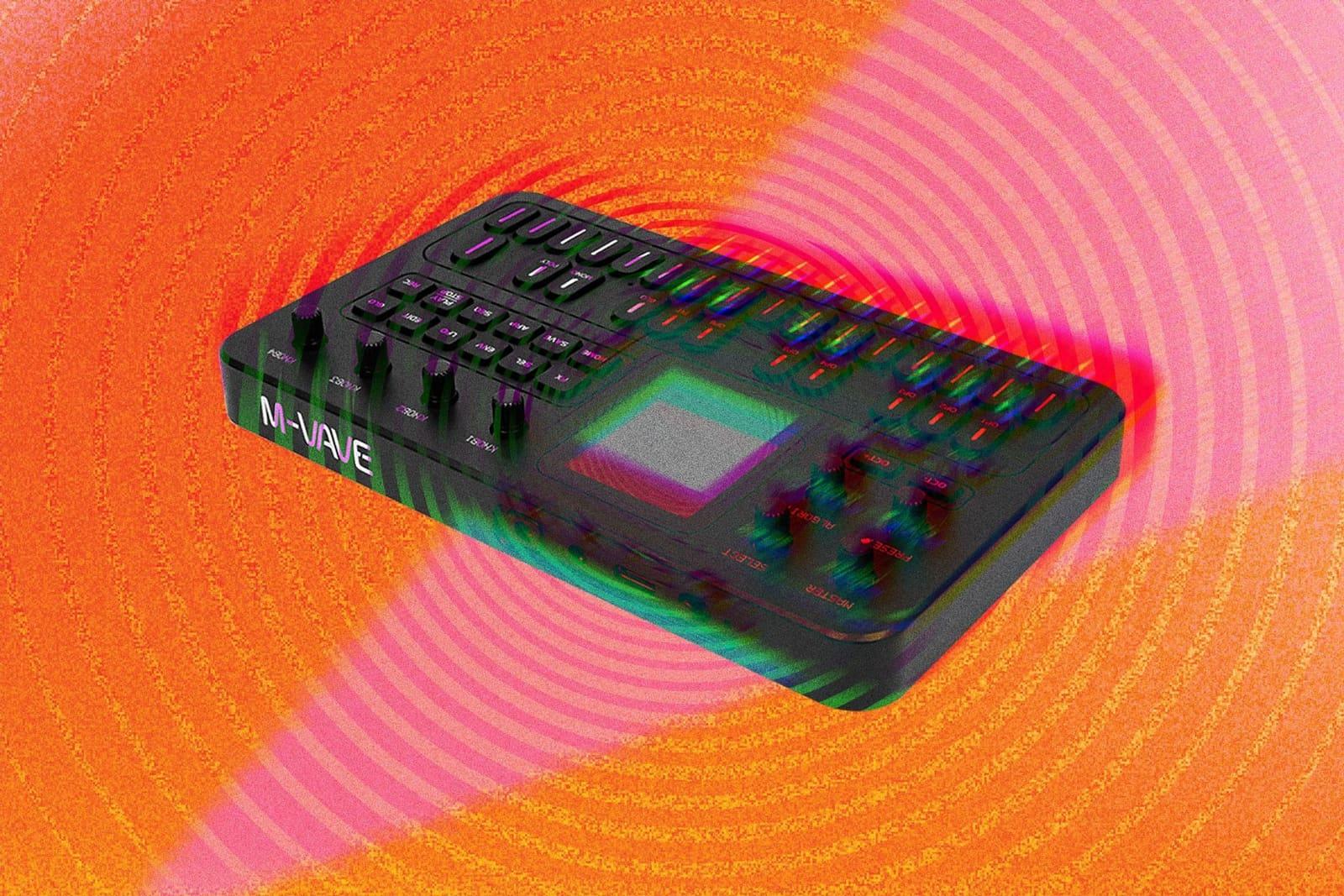
The M-Vave FM-1, a budget frequency modulation synthesiser, illustrates the commercial implications. After hobbyists began modifying the device to add features found in instruments costing ten times as much, the manufacturer released open-source firmware and encouraged further development. The decision was pragmatic: the modifications were happening regardless, and official support turned potential adversaries into a community of unpaid product developers.
The ESP32 Advantage
A parallel trend involves purpose-built hacker hardware. ESP32 modules, which integrate a microcontroller, Wi-Fi and Bluetooth radios, and support for sensors and displays, cost as little as three US dollars. Unlike modifying a commercial product, building on an ESP32 carries no warranty risk and no legal ambiguity.
The modules are well suited to niche applications that would never justify mass production. Users have built dedicated displays for maritime weather data, control panels for DJ equipment, and portable gaming devices. One popular project is a household shopping list that lives on an e-paper screen in the kitchen, updating via a shared mobile application.
Meta's Muse Gadgets programme represents an attempt to commercialise this model. The initiative offers both pre-assembled ESP32 devices in consumer-friendly enclosures and support for users who want to program their own modules. The approach acknowledges that a meaningful segment of the market now expects hardware to be modifiable and that the line between consumer electronics and development kits is blurring.
Manufacturers Push Back
The ease of modification has triggered countermeasures. Gaming companies, facing both piracy and unauthorised platform ports, are implementing more aggressive digital rights management. Streaming-only distribution, which prevents users from accessing game files directly, is one response. Legal action against prominent modders is another.
Hardware makers face a dilemma. Locking down devices too aggressively frustrates legitimate customers and invites negative coverage. Leaving systems open invites modifications that can break functionality, create support burdens, and potentially expose security vulnerabilities. Most consumer electronics warranties explicitly exclude damage from unauthorised software, but proving causation when a device fails is often impractical.
The risk to users is real. Installing modified firmware can render a device permanently inoperable, a condition the community refers to as "bricking". Camera enthusiasts have documented cases where AI-generated firmware patches introduced subtle errors that corrupted image files or disabled autofocus. Unlike a software application that can be uninstalled, firmware sits at a lower level in the device stack, and recovery often requires specialised hardware or manufacturer intervention that warranty exclusions make unavailable.
The Prudent Approach
Developers who have embraced AI-assisted modification recommend caution. Backing up original firmware before making changes is essential but not always sufficient; some devices store calibration data or encryption keys that cannot be easily restored. Testing modifications on secondary hardware, or in isolated environments, reduces the cost of failure.
CleanYourTV now includes automated backup routines and incremental testing agents that check system stability after each change. The precautions reflect a maturation process: as tools move from proof-of-concept experiments to software that thousands of people rely on, their creators assume responsibility for outcomes.
The same dynamic is visible in the shift from individual projects shared on forums to maintained repositories with issue tracking, documentation, and versioning. Some hobbyists are becoming de facto software vendors, a transition that brings both opportunity and liability. Consumer protection law in several jurisdictions holds software distributors responsible for damages caused by defects, even when the software is provided free of charge.
What Comes Next
Two trajectories are likely. First, the gap between modifiable and locked-down hardware will widen. Manufacturers serving professional or enthusiast markets may embrace openness as a differentiator, while mass-market brands invest in tamper-resistant designs. Second, the volume of AI-modified devices in circulation will create pressure for better recovery tools and more resilient firmware architectures.
The broader implication is that hardware is becoming software-defined in a new sense. For decades, the phrase referred to network equipment and storage arrays whose behaviour was determined by code rather than fixed circuitry. Now it means that the device you buy is a starting point, not a finished product, and that its capabilities can be extended or replaced by anyone with an idea and access to a chatbot.
The shift advantages users who know what they want and are willing to accept risk. It disadvantages those who expect devices to work reliably out of the box and remain supported over time. The ecosystem is fragmenting, and the middle ground is shrinking.