Apple's Vision Pro Exit Reveals the Limits of Premium XR
A $3,500 price tag, sparse software and weak demand pushed Apple out of headsets by mid-2026, while Meta's Quest line persists despite modest sales
A High-End Bet That Never Found Its Market
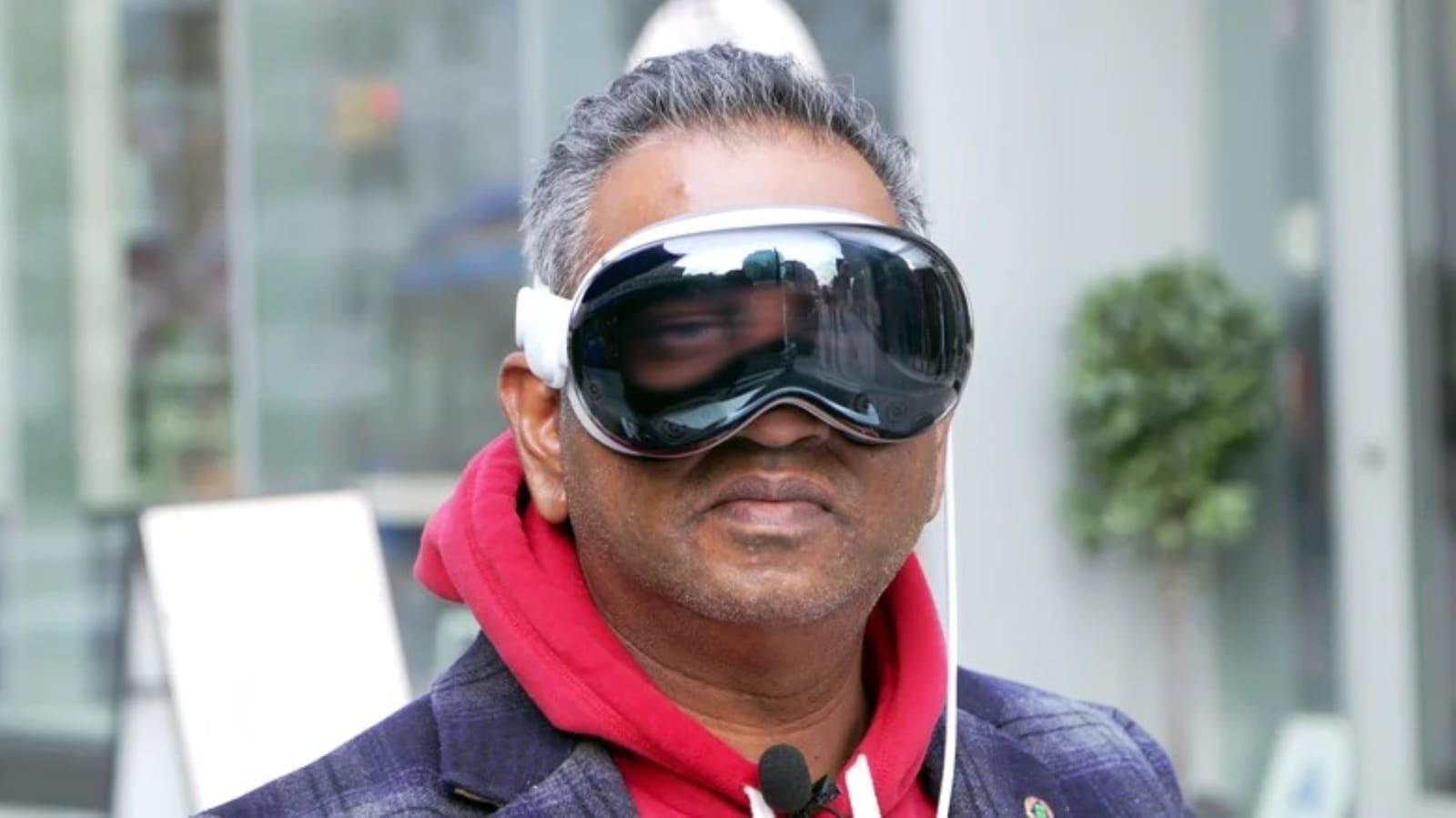
Apple ended development of its Vision Pro headset by June 2026, according to analyst Ming-Chi Kuo, pivoting staff toward lower-cost smart glasses instead. The device had received only a single hardware refresh in October 2025, and sales estimates hover around 500,000 units since launch in early 2024. That figure fell well short of Apple's internal projections and underscored a fundamental mismatch between the product's ambition and the audience willing to pay for it.
The Vision Pro carried a $3,500 retail price, positioning it far above the threshold where even Apple's brand premium typically operates. For comparison, the company's flagship iPhone retails at roughly one-third that amount, and carrier subsidies soften the upfront cost further. A headset at triple the price demanded not only early-adopter tolerance for a new three-dimensional interface but also a clear use case that justified the outlay. For most buyers, the device functioned primarily as an external display, a narrow role that left its broader capabilities underutilised.
The pricing strategy signalled that Apple viewed the Vision Pro as an experimental platform rather than a mass-market product. Yet the small installed base discouraged developers from investing in native software, creating a feedback loop that kept the app ecosystem sparse. The same dynamic has undermined other platforms, including Windows Phone and Apple's own Newton PDA in the 1990s. Without a library of compelling applications at launch, the Vision Pro struggled to articulate why consumers should adopt spatial computing at all.
Meta's Quest Line Survived on Volume and Lower Expectations
Meta's Quest 2, launched in October 2020 at $299, became the best-selling virtual reality headset to date, with sales estimated at around 20 million units. Its successor, the Quest 3, overtook the Quest 2 as the most-used headset on Steam only in late 2026, indicating slower uptake. Even so, Meta has remained committed to the category, sustaining production and software updates despite headset sales that pale beside mainstream consumer electronics. The Sony PlayStation 4, for instance, sold more than 100 million units over its lifecycle, and Apple shipped approximately 226 million iPhones in 2024 alone.
Meta's persistence reflects the strategic importance it assigns to extended reality, even if consumer enthusiasm remains tepid. The company invested more than $80 billion in its metaverse initiative starting in 2021, rebranding itself to signal that commitment. That capital supported not only hardware subsidies but also content partnerships and developer incentives, measures that helped the Quest 2 gain traction in a nascent market. Apple, by contrast, approached the Vision Pro as a premium standalone product, expecting the hardware's quality to drive adoption without comparable ecosystem investment.
The Quest 2's price point made experimentation affordable for consumers and developers alike, lowering the barrier to entry for both groups. Apple's decision to price the Vision Pro at more than ten times that level eliminated the possibility of impulse purchases or speculative app development, concentrating demand among the wealthiest enthusiasts. That narrow audience proved insufficient to sustain a platform that required network effects to flourish.
The Quest Pro Offered a Preview of Premium Headset Challenges
Meta's own attempt at a high-end headset, the Quest Pro, launched in October 2022 at $1,500 with eye tracking, improved passthrough and productivity features. Sales disappointed, prompting a $500 price cut within six months and discontinuation in 2024. The Quest Pro's failure illustrated that even a company deeply invested in XR and willing to subsidise hardware could not convince consumers to pay a premium for incremental capabilities.
Apple's Vision Pro faced the same headwinds, compounded by a price more than double that of the Quest Pro. The addition of advanced optics, custom silicon and precision manufacturing elevated the Vision Pro's technical specifications, but those improvements did not translate into use cases that justified the cost for most buyers. The device excelled as an engineering showcase, yet its practical utility remained confined to niche applications such as immersive video playback and virtual workspace arrangements.
The Quest Pro's trajectory should have signalled caution. Meta had the advantage of an established software ecosystem, a lower price and a stated willingness to operate the hardware at a loss to build market share. Apple lacked those buffers and chose a strategy that prioritised margin over volume. When demand failed to materialise, the company had little room to manoeuvre without undermining its brand positioning or accepting losses it was unwilling to absorb.
Divergent Priorities and Market Realities
Apple's exit from headsets contrasts with Meta's continued presence in the category, but the difference stems less from product quality than from strategic necessity. Meta views XR as central to its long-term vision for social interaction and advertising, making continued investment rational even in the absence of near-term profitability. Apple, with diversified revenue streams dominated by the iPhone and services, could afford to abandon a product line that did not meet its performance benchmarks.
The Vision Pro's discontinuation also reflects Apple's intolerance for products that linger in market limbo. The company has historically withdrawn from categories where it cannot achieve either dominant share or sustainable margins, as seen with the HomePod and AirPower. The headset joined that list when it became clear that the installed base would remain too small to support a thriving app ecosystem or justify ongoing hardware iterations.
Meta's Quest 3, meanwhile, benefits from lowered expectations and a business model that treats hardware as a gateway to services and data collection rather than a profit centre in itself. That approach permits Meta to persist in XR even as unit sales remain modest by consumer electronics standards. Apple's model, which relies on hardware revenue and tightly integrated ecosystems, does not accommodate the same tolerance for slow adoption.
Smart Glasses as the Next Frontier
Apple has redirected resources from headsets to smart glasses, a form factor that promises greater everyday wearability and lower production costs. The shift suggests the company concluded that immersive spatial computing, at least in its current headset incarnation, cannot achieve mass-market appeal at acceptable price points. Glasses that augment rather than replace the wearer's view of the physical world may offer a more pragmatic path to adoption, avoiding the isolation and ergonomic trade-offs inherent in enclosed headsets.
Meta has already demonstrated traction with its Ray-Ban Meta smart glasses, which integrate AI features and social sharing without demanding full immersion. Those devices occupy a different market segment, prioritising convenience and social acceptability over the technical capabilities of a Quest headset. Apple's move toward a similar form factor acknowledges that spatial computing's first mainstream success may come from lightweight augmentation rather than enclosed virtual environments.
The Vision Pro's cancellation does not foreclose Apple's interest in wearable computing, but it does mark the end of the company's attempt to lead the category with a high-price, high-capability headset. The installed base never reached the scale needed to attract developers or validate the spatial computing concept for general consumers. Meta's Quest line survives, but its modest sales figures and Meta's willingness to sustain losses underscore that even relative success in XR remains a niche proposition. The next phase of the category will likely depend on whether smart glasses can deliver utility that justifies daily wear, a test neither company has yet passed.