Japan's Micronics Eyes Second Plant as Memory Chip Testing Demand Accelerates
The probe card manufacturer is preparing for a new facility by 2030, driven by orders from Samsung and the broader semiconductor industry's capacity build-out
Testing Infrastructure Becomes the Bottleneck
Micronics Japan, a specialist manufacturer of probe cards used in semiconductor testing, is evaluating plans for a second production facility to be operational by 2030. The move follows an expansion of its existing plant and reflects sustained demand from Samsung Electronics and other large-scale chip manufacturers.
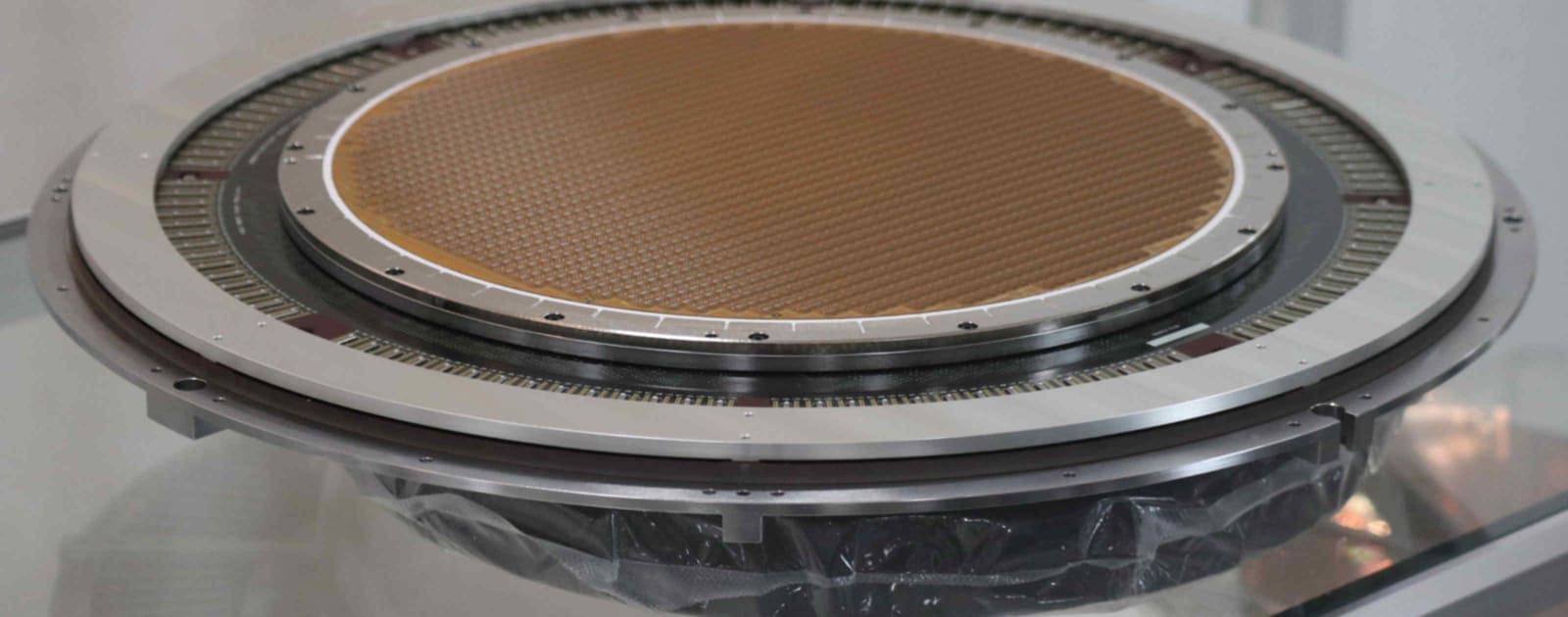
Probe cards are precision instruments that make electrical contact with semiconductor wafers during the testing phase of production. Each card contains thousands of tiny probes that touch individual chips on a wafer, verifying functionality before the wafer is diced into separate units. As chip designs grow more complex and manufacturers push output higher, the testing stage has become a constraint in the production chain.
The company's expansion timeline suggests confidence that current demand is structural rather than cyclical. A facility planned for 2030 requires site selection, permitting, and equipment procurement decisions to be made within the next 18 to 24 months. That planning horizon indicates Micronics sees orders extending well beyond the immediate memory market upturn.
Memory Market Dynamics Drive Equipment Orders
Samsung's role as a customer is significant. The South Korean manufacturer has been ramping production of high-bandwidth memory (HBM) and advanced DRAM, both of which require more intensive testing than previous generations. HBM stacks multiple memory dies vertically, and each layer must be tested individually as well as in combination. The result is a multiplicative effect on probe card consumption per wafer.
Memory prices have recovered sharply over the past year, lifting profitability across the sector. SK Hynix recently reported quarterly profit growth of sevenfold, reaching $63 billion, driven by strong memory demand. Samsung posted what the industry described as the largest quarterly profit in the technology sector during the third quarter. Kioxia, Japan's leading memory manufacturer, is projecting net profit to surge 15-fold to $8.7 billion this quarter.
These profit figures translate into capital expenditure. Memory manufacturers are expanding fabrication capacity, and each new cleanroom requires a corresponding increase in testing throughput. Probe card suppliers like Micronics sit at the end of that investment chain, but their capacity must scale in parallel or risk becoming a bottleneck.
Regional Context: Japan's Position in the Testing Ecosystem
Japan holds a concentrated position in semiconductor testing equipment. Micronics competes in a market dominated by a small number of suppliers, most of them Japanese or US-based. The probe card segment is particularly specialised; cards are custom-designed for each chip architecture and must be replaced regularly as they wear out from repeated contact with wafer surfaces.
The company's expansion plans align with broader trends in Japan's semiconductor supply chain. Machine tool order backlogs in Japan have reached all-time highs, driven by demand for equipment used in chip production. Japan's chip exports rose 41 per cent recently, lifted by the AI boom and soaring memory prices. Circuit board manufacturers across the region are reporting supply constraints as the technology sector absorbs available capacity.
For Micronics, the decision to build domestically rather than offshore reflects both technical and strategic considerations. Probe card manufacturing requires precision engineering and close collaboration with customers during the design phase. Proximity to Samsung's engineering teams in South Korea and to Japanese memory manufacturers reduces iteration time. Labour costs are a smaller factor in this segment than in high-volume assembly operations.
Beyond AI: Sustained Demand Across Chip Categories
While much of the recent semiconductor expansion has been attributed to artificial intelligence workloads, the testing equipment market is seeing demand from a wider base. Automotive chips, industrial controllers, and consumer electronics all require testing, and volumes in those categories have been climbing as supply chain disruptions from previous years continue to unwind.
The automotive sector is particularly relevant. Electric vehicles contain significantly more semiconductor content than internal combustion vehicles, and the shift toward software-defined vehicle architectures is increasing chip complexity. Each additional sensor, camera, and control unit adds to the testing workload. Automotive qualification standards are more stringent than consumer electronics, requiring extended testing cycles and higher probe card replacement rates.
Industrial automation is another growth vector. Factories across Asia are deploying more robotics and sensor networks, much of it driven by labour cost pressures and the need for higher precision in manufacturing. The chips that power these systems are not cutting-edge by process node, but they are produced in high volumes and must meet reliability standards that demand thorough testing.
Capacity Planning in a Capital-Intensive Segment
Building a new probe card production facility is a multi-year, capital-intensive undertaking. The manufacturing process involves photolithography, electroplating, and micro-assembly, all performed in controlled environments. Equipment lead times can stretch beyond 12 months for specialised tools, and workforce training takes additional time.
Micronics' willingness to commit to a second facility signals confidence in long-term order visibility. Probe card suppliers typically work on contracts with lead times measured in quarters, not years. The company must be seeing demand signals from customers that extend well into the second half of the decade.
The risk in this expansion is timing. Memory markets are cyclical, and the current upturn could moderate if end-market demand softens or if manufacturers overshoot capacity additions. However, the structural shift toward more complex chips and higher testing intensity provides a buffer. Even if wafer volumes plateau, testing equipment demand can continue to grow if each wafer requires more testing time.
Supply Chain Implications
Micronics' expansion is part of a broader pattern in the semiconductor supply chain. Equipment suppliers, materials manufacturers, and service providers are all adding capacity in response to the industry's growth. The challenge is synchronisation. If testing capacity lags fabrication capacity, chips pile up in work-in-progress inventory. If testing capacity leads, equipment sits idle.
The circuit board crunch reported across the global technology supply chain illustrates this coordination problem. Printed circuit boards are a relatively low-margin, high-volume product, and suppliers have been slow to add capacity. The result has been lead time extensions and allocation, even as chip manufacturers ramp production.
Probe cards face a similar dynamic. They are consumables with limited lifespans, and demand is directly proportional to wafer starts. A surge in fabrication activity translates almost immediately into probe card orders, leaving little time for suppliers to respond. Micronics' decision to expand ahead of peak demand suggests the company is positioning to avoid that bottleneck.
What Comes Next
The timeline for the new facility extends to 2030, but interim milestones will provide signals about the strength of demand. Site selection and permitting are typically the first public indicators, followed by equipment orders and construction activity. If Micronics accelerates the timeline, it would suggest demand is outpacing current expectations. Delays, conversely, would indicate caution.
Samsung's production plans will be a key variable. The company has been investing heavily in memory and foundry capacity, and its testing equipment needs scale with those investments. Any shift in Samsung's capital expenditure plans, whether up or down, will ripple through suppliers like Micronics.
The broader memory market will also play a role. If prices stabilise at current levels, manufacturers will sustain high utilisation rates and continue ordering testing equipment. A sharp price decline, however, could prompt production cuts and deferred equipment purchases. Memory pricing remains volatile, and the balance between supply and demand can shift quickly.
For now, the testing equipment segment is riding the same wave as the rest of the semiconductor industry. Micronics' expansion plans reflect confidence that the wave has further to run, and that the infrastructure required to support chip production will need to grow in parallel with fabrication capacity itself.