Home Assistant Drops Cloud Branding as Open-Source Platform Pushes for Mainstream Adoption
The smart home platform is rebranding its remote access service to distance itself from big tech's cloud reputation, part of a broader push to attract users beyond power enthusiasts.
A Deliberate Break from Cloud Terminology
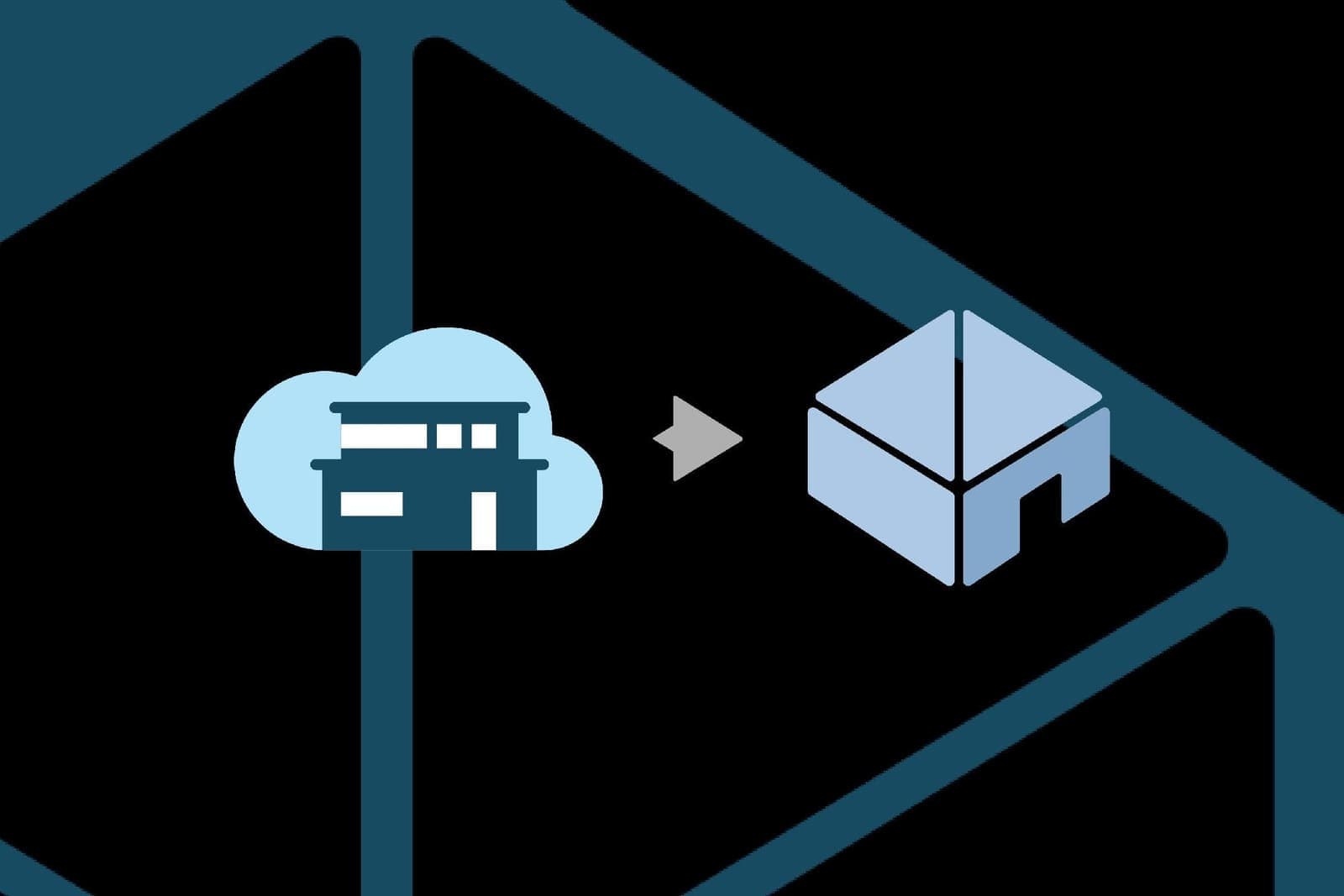
Home Assistant, the open-source smart home platform that has become the preferred alternative for users frustrated with Google Home, Amazon Alexa, and Apple Home, is making a symbolic but significant branding change. The platform is renaming its remote access service from Home Assistant Cloud to Home Assistant Link, and removing cloud imagery from its logo.
Founder Paulus Schoutsen framed the decision as a response to how major technology companies have handled cloud services. The rebrand reflects a deliberate positioning strategy: Home Assistant wants to be seen as fundamentally different from the mainstream platforms that dominate the smart home market.
The terminology shift is more than cosmetic. For Home Assistant's core audience, technical users who have migrated after encountering the limitations of consumer-focused platforms, the cloud has become shorthand for vendor lock-in, subscription fees, and remote dependencies that can vanish when a company changes priorities or shuts down a product line.
The Challenge of Moving Beyond Enthusiasts
Home Assistant has built a loyal following among users willing to navigate its complexity. The platform's strength lies in its ability to integrate devices across manufacturers, automate intricate routines, and operate locally without relying on external servers. But that power comes with a learning curve that has historically kept it in enthusiast territory.
Schoutsen and his team have been working to lower that barrier. The platform's growth trajectory depends on attracting users before they hit the frustration point with mainstream options, rather than only after. That requires clearer messaging, simpler onboarding, and branding that doesn't inadvertently suggest the same dependencies users are trying to escape.
The Link service, despite the name change, still provides remote access functionality. Users can control their Home Assistant setup from outside their local network without configuring port forwarding or managing certificates, tasks that remain intimidating for many. The service is operated by Nabu Casa, the company Schoutsen founded to sustain Home Assistant development through optional paid services.
Branding as Differentiation
The decision to eliminate cloud terminology from its branding positions Home Assistant in direct contrast to the industry's dominant players. Google, Amazon, and Apple have built their smart home ecosystems around cloud infrastructure, with devices that require constant internet connectivity and accounts tied to their broader service portfolios.
That architecture has advantages: seamless voice assistant integration, easy setup, and the ability to control devices from anywhere without technical configuration. But it also creates vulnerabilities. When a company discontinues a product or service, users lose functionality they have paid for. When servers go down, homes stop responding. When privacy policies change, users have limited recourse.
Home Assistant's local-first architecture avoids these dependencies. Automations run on hardware in the user's home, and the platform can operate entirely offline if needed. The Link service is optional, not mandatory, a distinction the new branding is designed to emphasise.
The Broader Industry Context
The timing of Home Assistant's rebrand aligns with growing scepticism about cloud-dependent consumer products. Over the past several years, users have watched as companies shut down smart home products they had purchased, from Insteon's collapse to Google's discontinued Nest Secure system. Each incident reinforces the risk of building a home around services controlled by distant corporations with changing priorities.
At the same time, privacy concerns have pushed some users to seek alternatives that keep data processing within their homes. Home Assistant's model, where automation logic and device control happen locally, appeals to this audience. The platform does not collect usage data, does not sell information to advertisers, and does not require an account for core functionality.
The challenge for Home Assistant is translating these advantages into a value proposition that resonates beyond the technically inclined. Most consumers do not think about where their automation logic runs or what happens if a cloud service shuts down until after they have already committed to a platform. Changing the name of a remote access service will not, by itself, shift that dynamic.
What the Rebrand Signals
Schoutsen's blunt characterisation of big tech and the cloud suggests Home Assistant is leaning into its position as an outsider. The platform is not trying to compete with Google, Amazon, or Apple on their terms. It is offering a different model entirely, one that prioritises user control and longevity over convenience and integration with other services.
Whether that message will reach a mainstream audience remains uncertain. Home Assistant's growth has been steady, but it still requires users to purchase or repurpose hardware to run the software, set up integrations manually, and troubleshoot issues that mainstream platforms handle automatically. The platform's flexibility is inseparable from its complexity.
The Link rebrand is part of a longer effort to soften those edges without sacrificing the control that defines Home Assistant. If the platform can simplify onboarding while maintaining its local-first architecture, it has a chance to capture users before they invest in ecosystems they will later want to leave. If it cannot, the rebrand will remain a signal to the converted rather than a bridge to the undecided.
For now, Home Assistant is making a bet that enough users care about independence from big tech to tolerate a steeper learning curve. The removal of the cloud from its branding is a declaration of where the platform stands, even if the path to mainstream adoption remains steep.