Google Faces Internal Revolt Over Mandatory AI in School Search Tools
More than 500 employees have signed a petition opposing the company's policy requiring schools to enable AI features to access Google Search, as major US districts weigh switching providers.
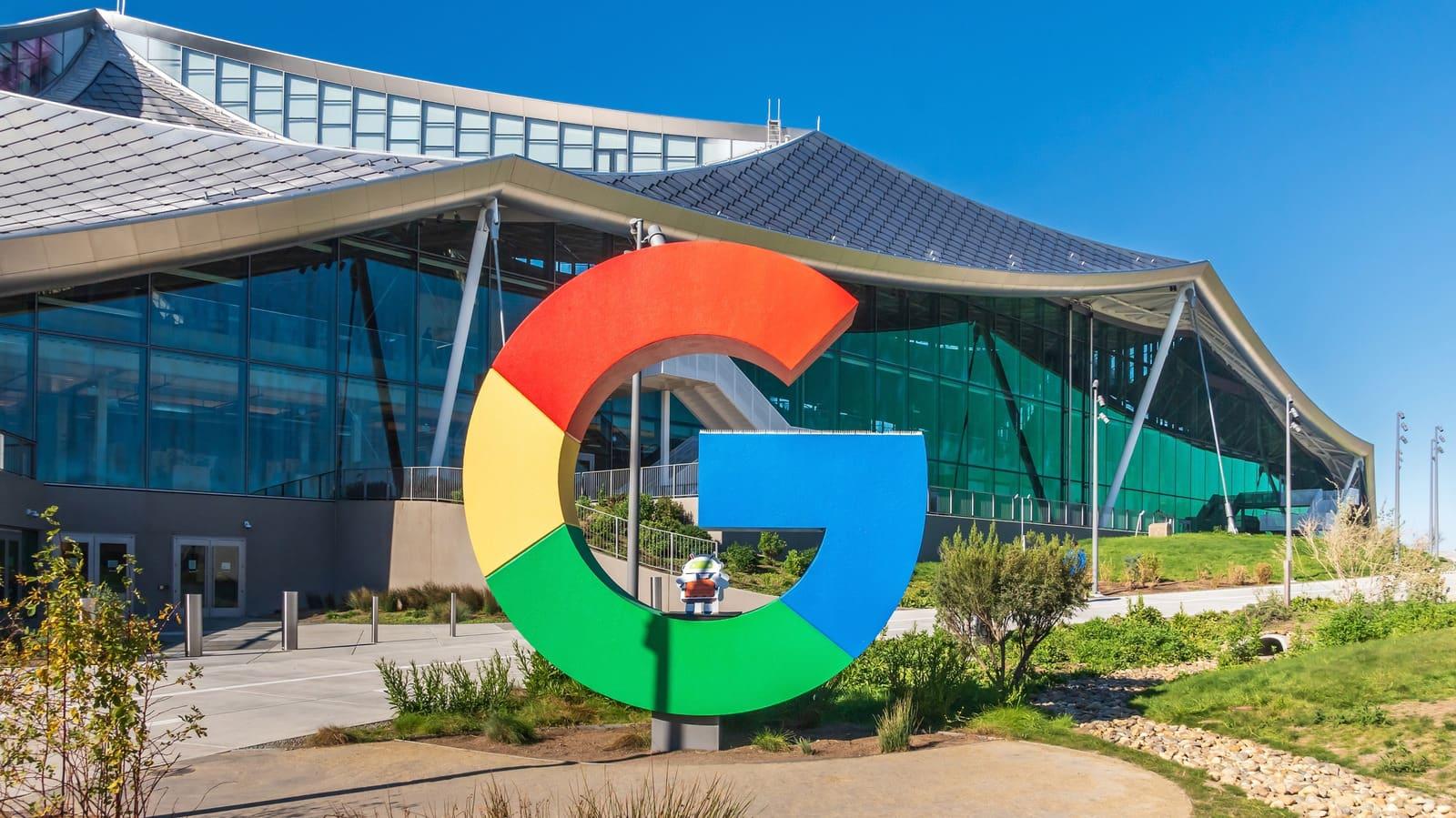
Internal Opposition Mounts
Google's decision to require schools to enable certain AI features in order to access its Search tools has triggered an unusual public rebuke from its own workforce. Members of the Alphabet Workers Union released a statement this week opposing the policy, gathering signatures from more than 500 employees who argue the move threatens to alienate educators rather than win them over.
The controversy centres on a policy Google introduced earlier this month that effectively ties access to Search to the activation of AI capabilities within its Classroom services. The company justified the requirement by stating that "Search and AI are deeply integrated" to the point where a blanket ban on AI at a school would render Search unavailable. That framing has drawn criticism for overlooking the fact that Google operated Search for more than two decades before launching Gemini and similar consumer-facing AI products.
The union statement, issued by CWA Local 9009, emphasises that educators need autonomy over how and whether to incorporate AI into their teaching. "Any opportunity to drive positive change with AI in education will rely on educators having the freedom to choose how to implement it in their curriculum," the statement reads. "Cutting off access to Search for schools that don't wish to use AI will not help persuade our users, and will more likely result in them shutting out Google products altogether."
Districts Weigh Alternatives
The internal dissent arrives as several large US school systems are actively exploring other search providers. School districts in New York City, Los Angeles, and Chicago are all considering adopting alternative search engines rather than cede control over students' use of AI to Google, according to data from district procurement discussions. For a company that has long counted education as a strategic foothold, the prospect of losing major metropolitan districts represents both a revenue risk and a reputational setback.
The scale of the potential switch matters. New York City's Department of Education alone serves more than one million students across 1,800 schools, whilst Los Angeles Unified and Chicago Public Schools together add nearly another million pupils. If these districts move away from Google Search, the ripple effect could extend to other systems weighing similar decisions, particularly in regions where data governance and algorithmic transparency in schools have become policy flashpoints.
The Bundling Rationale
Google's argument that Search and AI are now inseparable reflects a broader strategy to position generative models as core infrastructure rather than optional add-ons. Since the public launch of Gemini, the company has woven AI-generated summaries, contextual answers, and predictive features into Search results, treating these capabilities as integral to the product rather than experimental layers. From an engineering perspective, that integration is real: the ranking algorithms, entity recognition, and natural-language processing that power modern Search share components with the models that generate AI overviews.
Yet the technical interdependence does not necessarily mandate a policy interdependence. Search functioned for years without generative AI, and competitors continue to offer search products that keep those features optional or absent. The decision to bundle them in the education context appears driven as much by business imperatives as by technical constraints. Google has staked significant capital on demonstrating that AI is not a speculative experiment but a mature, revenue-generating part of its core offerings. Schools, with their large user bases and long-term contracts, represent a proving ground for that narrative.
Autonomy Versus Integration
The tension between Google's integration strategy and educators' demand for control is unlikely to resolve quickly. Schools operate under a patchwork of local, state, and national regulations governing student data privacy, algorithmic decision-making, and parental consent. Many districts have adopted policies that restrict or ban AI tools outright, often in response to concerns about bias, inaccuracy, or the lack of transparency in how models generate answers. Forcing those districts to choose between enabling AI or losing access to Search places them in a bind: either violate their own governance frameworks or uproot a tool that millions of students use daily.
The employee petition underscores that this bind is visible inside Google as well. The signatories are not arguing against AI in education outright; they are arguing for flexibility. The statement explicitly calls on leadership to "allow schools to turn off AI features in Search without disrupting their ability to use search as a whole." That framing suggests the workers see a path to maintaining both product integrity and institutional trust, one that Google's current policy forecloses.
What Comes Next
Google has not publicly responded to the employee statement, nor has it indicated whether it will revise the policy. The company's track record on internal dissent is mixed: past employee campaigns on issues ranging from defence contracts to harassment policies have occasionally prompted leadership to reverse course, though more often they have resulted in quiet departures or organizational reshuffles rather than substantive change.
For school districts, the calculus is more immediate. Procurement cycles for the 2027 academic year are already under way in many systems, and technology directors are evaluating not only the functional trade-offs of switching search providers but also the political and logistical costs. Moving away from Google Search would likely require retraining teachers, updating curricula, and renegotiating contracts with device manufacturers who have built Chromebooks and other hardware around Google's ecosystem.
The outcome will hinge on whether Google treats the internal petition and the district-level pushback as signals worth heeding, or as friction to be managed whilst the company continues its broader AI integration strategy. Either way, the episode illustrates that bundling decisions in education carry higher stakes than in consumer markets, where users can switch services with a few clicks. Schools are not just customers; they are institutions with obligations to students, parents, and regulators that extend well beyond the features of any single product.