Anthropic Bets $3.4 Billion on Natural Gas to Secure AI Power
The San Francisco firm's purchase of 1.7 gigawatts of Caterpillar turbines marks a strategic shift from renting compute to owning generation - and signals just how tight the market for AI infrastructure has become.
A Rare Capital Commitment
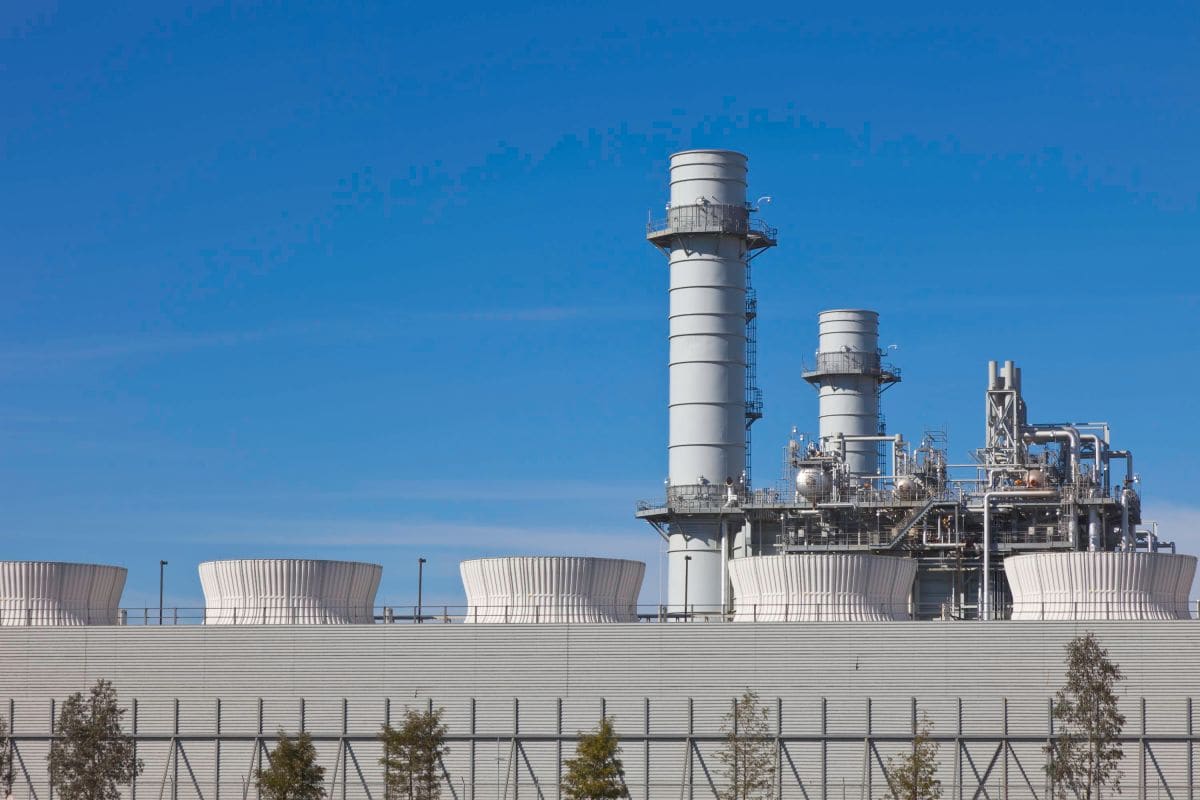
Anthropic has agreed to acquire natural gas turbines with a combined capacity of 1.7 gigawatts for $3.4 billion, purchasing the equipment directly from Caterpillar after an intermediary supplier failed to secure financing. The deal represents a departure for the San Francisco-based AI firm, which has historically leased computing capacity rather than buying generation assets outright.
The company disclosed in its May S-1 filing - ahead of a planned public listing this year - that it pays xAI $1.25 billion per month through May 2029 for access to computing power operated by the SpaceX subsidiary. That arrangement, and the language in the filing indicating Anthropic expected to sign similar contracts, suggested the company would continue its rent-over-own strategy. The turbine purchase indicates the strategy has changed.
Why Infrastructure Scarcity Forces a New Approach
Delivery queues for natural gas turbines now stretch into the early 2030s, and grid interconnection timelines can be equally protracted. In that environment, waiting for third-party capacity to become available carries existential risk for firms whose business models depend on rapid scaling of inference and training workloads.
Anthropic had initially planned to buy the turbines from OnePWR, an equipment supplier that placed the order with Caterpillar roughly two years ago. OnePWR was unable to complete the purchase due to a lack of financing, despite having a committed buyer in Anthropic. Rather than allow the capacity to return to the market - where a competitor might acquire it - Anthropic negotiated directly with the manufacturer.
The transaction reflects a broader recognition among AI labs that compute availability is no longer purely a software or chip procurement problem. It is increasingly a question of securing reliable, dedicated electricity generation before the supply chain tightens further.
The Broader Industry Shift to On-Site Generation
Anthropic's move follows a wave of similar commitments by the largest hyperscalers. Google, Amazon, Microsoft, and Meta have all announced plans to build on-site natural gas power plants at their data centres, bypassing the public grid entirely. The collective investment has revitalised demand for hydraulic fracturing - the extraction method used to tap natural gas reserves trapped in shale formations.
If current buildout plans proceed, US data centres alone are projected to consume more natural gas than the combined total used by Germany and Japan by 2035. That scale of demand is already reshaping energy markets. One analyst forecast suggests prices in certain regions could more than triple by the end of the decade, driven by competition for supply among tech firms and traditional industrial users.
For Anthropic, the decision to lock in physical generation capacity at today's prices may prove prescient if those forecasts materialise. Alternatively, if demand growth slows or alternative energy sources scale faster than expected, the company will be left managing a multi-billion-dollar fixed asset with limited flexibility.
What It Means for Anthropic's Capital Structure
The $3.4 billion outlay is substantial for a firm that has not yet completed its initial public offering. The purchase will likely feature prominently in updated financial disclosures, particularly as investors assess how much of the company's capital is tied up in physical infrastructure versus research and product development.
Anthropic's existing $1.25 billion monthly payments to xAI already represent a significant operational expense. Adding ownership and maintenance of 1.7 gigawatts of generation capacity introduces a new category of capital expenditure and operational complexity - one that includes fuel procurement, regulatory compliance, and long-term maintenance contracts.
The deal also underscores a strategic tension in the AI sector: companies that move early to secure scarce resources gain a competitive edge in scaling, but they also assume the risk that future technological shifts or regulatory changes could render those assets less valuable. Anthropic appears to have concluded that the risk of not securing dedicated power is greater than the risk of over-committing capital to a fossil fuel-based generation fleet.
The Next Constraint
Even with turbines on order, Anthropic will face the challenge of siting and connecting the generation capacity. Permitting for new power plants, particularly those burning natural gas, can take years and often encounters local opposition. Grid interconnection queues in many US regions are backlogged, with some projects waiting five years or longer for approval and connection.
The company has not disclosed where it intends to deploy the turbines, but the most likely scenarios involve locating them adjacent to existing or planned data centres in states with favourable regulatory environments and available natural gas pipeline infrastructure. Texas, Ohio, and Pennsylvania have emerged as preferred locations for similar projects by other tech firms.
Anthropic's purchase is unlikely to be the last of its kind. As the window to secure generation capacity narrows, other well-capitalised AI labs may follow suit, either by acquiring equipment directly or by entering into long-term power purchase agreements that effectively lock in supply. The result will be a further bifurcation of the market: firms with dedicated power will be able to scale, while those reliant on the spot market or grid access will face constraints that limit their ability to compete.