Tesla Opens Cybercab Sales With a $299 Monthly Catch
The two-seat robotaxi carries a $29,990 price tag, but a mandatory subscription, severe geographic limits, and unresolved regulatory questions make the real cost far higher.
A Robotaxi You Can Own, With Conditions
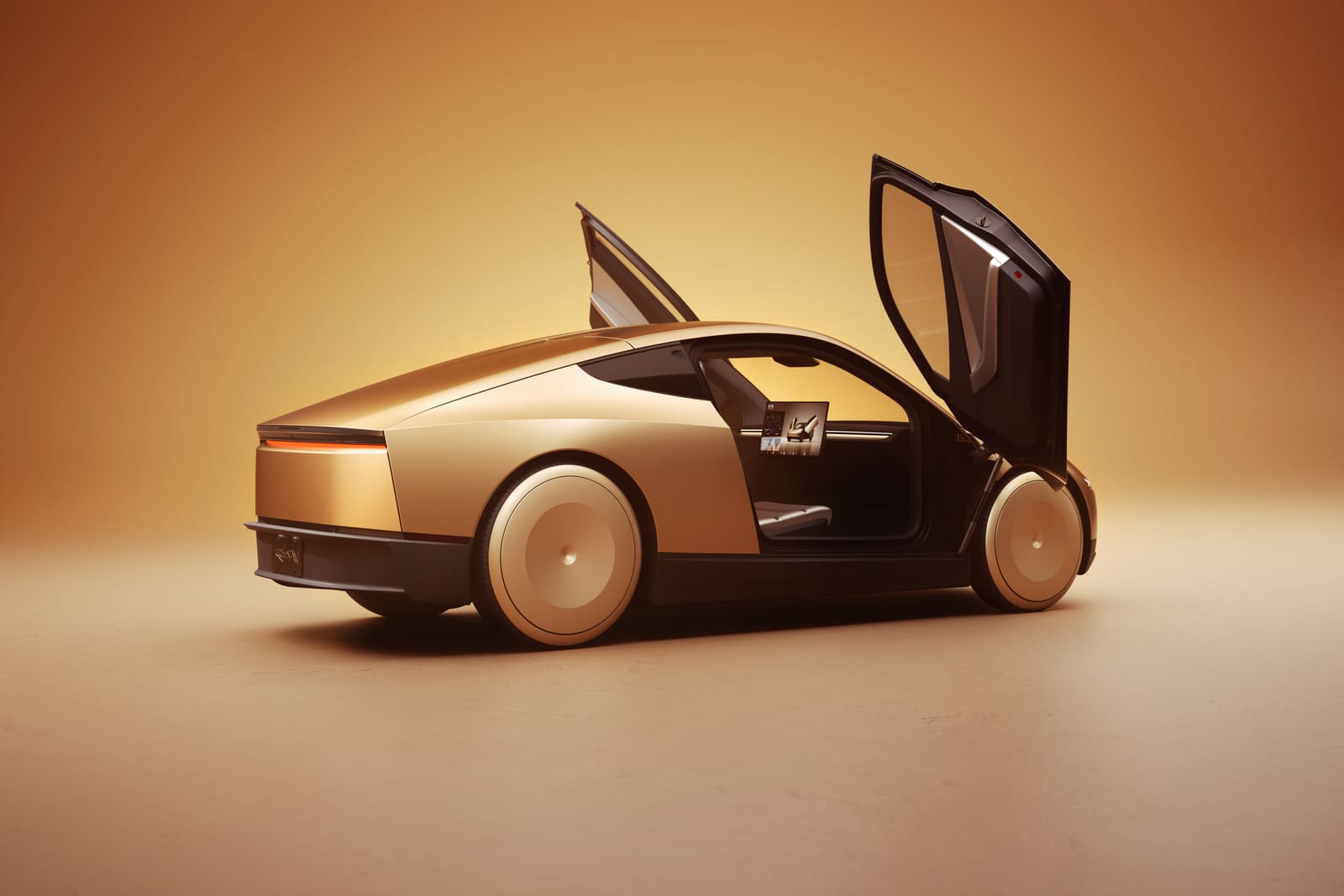
Tesla has begun extending purchase invitations for its Cybercab to select customers, marking the first time the autonomous two-seater will be available for private ownership rather than fleet operation alone. The vehicle carries a base price of $29,990, but access requires a mandatory $299 monthly "Autonomy Subscription" and buyers can only use the vehicle in cities where Tesla currently operates its robotaxi service.
The invitation emails, which began circulating this week, make clear that "initial availability is limited" and restrict usage to "supported service areas". Tesla launched robotaxi rides using Cybercabs in Austin in September 2026, and the company now operates 278 units across its fleet, representing roughly 40 per cent of active vehicles according to crowd-sourced tracking data.
The purchase structure diverges sharply from the original pitch. When Tesla chief executive Elon Musk unveiled the Cybercab in 2024, he emphasised the sub-$30,000 sticker price but made no mention of recurring subscription fees. The company currently charges $99 monthly for its Full Self-Driving feature on conventional vehicles, making the higher Autonomy Subscription fee a notable escalation.
The Real Cost of Ownership
Over a standard five-year ownership period, the mandatory monthly fee adds $17,940 to the purchase price, bringing total baseline cost to approximately $47,600 before taxes, insurance, or electricity. That figure exceeds the price of a new Model 3 or Model Y, both of which can operate anywhere without geographic restrictions.
The subscription is not optional. Because the Cybercab lacks a steering wheel, pedals, or manual controls of any kind, cancelling the monthly service renders the vehicle completely inoperable on public roads. Unlike conventional Tesla models where disabling Full Self-Driving simply returns control to the driver, a Cybercab without an active subscription has no fallback mode.
Tesla requires a $1,000 non-refundable deposit to reserve a December delivery window, though the company does not guarantee that timeline. The terms of service grant Tesla the right to raise the subscription price with just 30 days' notice, and customers who continue using the vehicle after a price change automatically accept the new rate. Cancellations or suspensions do not trigger pro-rated refunds for the remainder of any paid month.
No Passive Income Allowed
The purchase terms explicitly prohibit commercial use, closing off the revenue model Musk promoted at the 2024 "We, Robot" event. At that presentation, Musk suggested owners could add their Cybercabs to Tesla's robotaxi network to generate passive income during periods when they were not using the vehicle themselves. The current order agreement bans this entirely, barring ride-hailing, delivery services, or participation in Tesla's own fleet.
Tesla's head of AI, Ashok Elluswamy, has indicated that the company may allow customer vehicles to join the network in the second quarter of 2027, but no firm commitment exists. Early buyers will therefore pay the full monthly subscription with no mechanism to offset the cost through commercial operation.
Musk himself acknowledged the pricing tension, calling the $299 monthly fee "too high" and suggesting a more appropriate level would be $115 or closer to the $99 rate for Full Self-Driving. He attributed the higher cost to regulatory constraints rather than justifying it on technical or service grounds.
Regulatory Questions Remain Unanswered
The Cybercab does not comply with current Federal Motor Vehicle Safety Standards, which mandate traditional controls including a steering wheel and pedals. Tesla submitted a legal justification to the National Highway Traffic Safety Administration in October 2026, requesting that the entire response remain confidential. The agency has opened a formal audit into how Tesla self-certified the vehicle, and no final ruling has been issued.
Tesla is accepting deposits and setting delivery windows while that regulatory review is ongoing, meaning buyers are committing funds to a vehicle the federal government has not yet confirmed is street-legal.
The company has not clarified how personal auto insurance will function for a vehicle with no human driver. The Autonomy Subscription covers autonomous driving software, maintenance, and towing, but explicitly excludes collision and liability coverage. Tesla has provided no guidance on how insurers will underwrite such policies or how liability will be apportioned between the vehicle owner and Tesla in the event of an accident during autonomous operation.
The company has also declined to disclose how it selects customers for purchase invitations or how many units are allocated to private sales versus internal fleet expansion.
Geographic Lock-In
The requirement that Cybercabs operate only in supported service areas creates a form of geographic lock-in uncommon in consumer vehicles. Tesla has not published a list of supported cities or outlined the criteria a location must meet to gain support. Austin currently hosts the only confirmed operational zone, though the company has indicated plans to expand.
Buyers who relocate to an unsupported area would own a vehicle they cannot legally or technically operate, with no manual override and no option to cancel the subscription without rendering the car entirely useless. The terms of service do not address relocation scenarios or provide any portability guarantees.
A Test Case for Ownership Models
The Cybercab purchase programme represents an experiment in blending vehicle ownership with subscription-dependent functionality. Traditional car ownership grants full control over the asset once purchased; the Cybercab model retains ongoing software and operational control with the manufacturer, creating a dependency that persists throughout the ownership period.
This structure may preview how automakers approach autonomous vehicles more broadly. If regulatory approval and technical capability allow fully autonomous operation, manufacturers gain leverage to monetise software and services long after the initial sale. The question is whether consumers will accept ownership models that require perpetual payments to maintain basic functionality, or whether competitive pressure will push the industry towards more conventional purchase structures.
For now, Tesla's invitation-only rollout limits the immediate market impact. But the pricing, restrictions, and unresolved regulatory status make clear that personal ownership of a robotaxi remains an expensive and uncertain proposition.