Serve Robotics Pivots to Infrastructure Play With Launch of Physical AI Services
The sidewalk delivery robot maker is opening its connectivity and data tools to third parties, betting that the hardest problem in robotics is not the robot itself but operating in unpredictable human environments.
Infrastructure Over Hardware
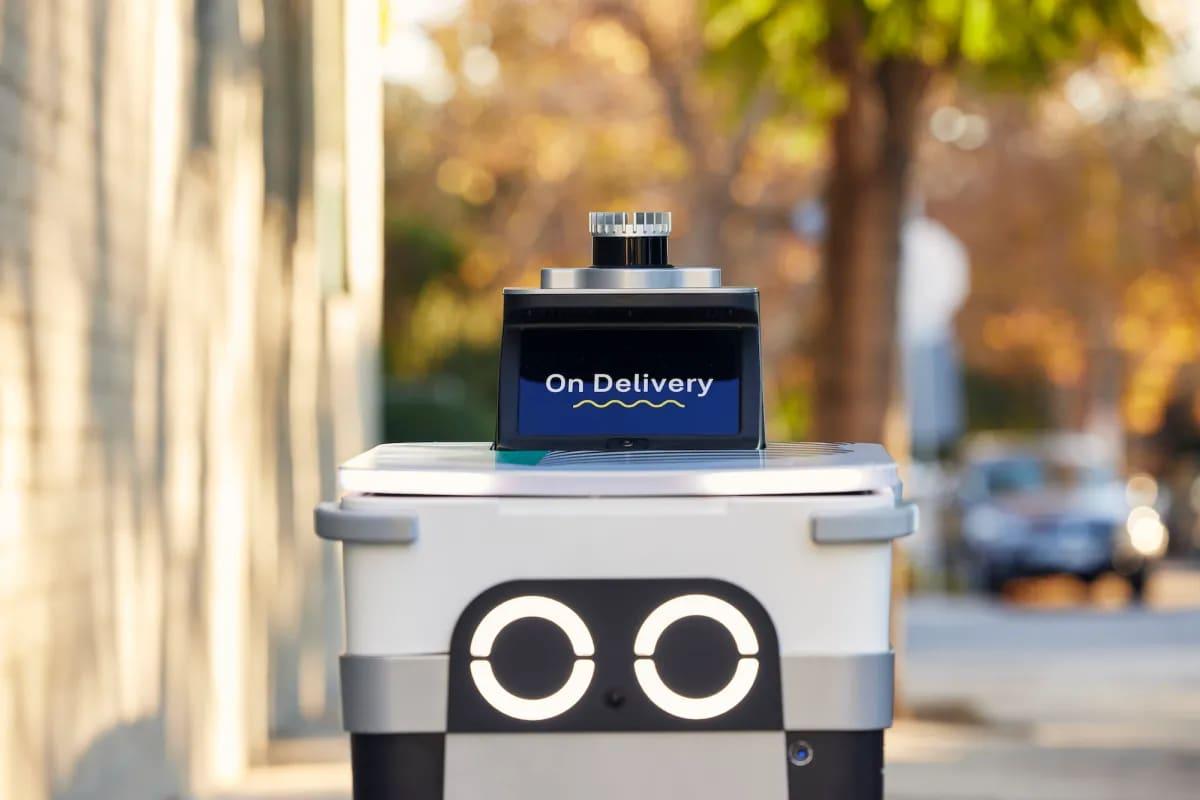
Serve Robotics announced on 5 November 2026 that it would begin selling the connectivity and data infrastructure it built for its own delivery robots to other companies developing autonomous machines. The new division, Physical AI Services, marks a strategic shift for the publicly traded firm, which until now has focused on operating its own fleet of sidewalk delivery robots and hospital-assistance units.
Ali Kashani, chief executive and co-founder, framed the move as an attempt to capture value from the underlying technology rather than solely from robot operations. The company is working with Bedrock Robotics, a construction-equipment autonomy firm, and has partnered with T-Mobile to position edge computing resources closer to robots in the field.
The announcement came alongside the company's third-quarter earnings and coincides with a broader recalibration of its delivery partnerships. Serve has reduced its reliance on Uber, the platform that once owned its predecessor business Postmates, and is now working more closely with DoorDash and Wonder.
Three Products for Uncontrolled Environments
Physical AI Services will offer three distinct products. Serve Link handles connectivity between robots operating in the field and artificial intelligence systems hosted in remote data centres. The service is designed to maintain stable connections over unreliable mobile networks, a recurring challenge when robots move through urban areas or other unpredictable settings.
The second product is a data curation tool that helps companies identify edge cases within the large volumes of sensor data collected during robot operations. These unusual scenarios, once tagged, can be fed back into training pipelines to improve model performance over time.
The third offering is a foundation-model data catalogue drawn from the real-world operations of Serve's own sidewalk robots. The catalogue is intended to teach AI models how to interpret complex human environments, from crowded pavements to intersections with inconsistent signalling.
The Problem Serve Is Betting On
Kashani described the core challenge as "robots in human spaces" rather than robots in controlled factories or warehouses. Sidewalks, hospital corridors, construction sites and farms share a common trait: they are environments designed for people, not machines, and they change in ways that are difficult to predict or codify.
That unpredictability creates two technical demands. First, robots need access to more sophisticated AI models than can fit onboard, which requires reliable, low-latency connectivity to cloud or edge computing resources. Second, they generate enormous amounts of operational data, much of it routine, but some of it capturing rare events that are critical for training more robust models.
Serve's infrastructure play rests on the assumption that these two problems, connectivity and data curation, are common across many categories of mobile robots and that companies building those robots would prefer to buy a solution rather than build one themselves.
Timing and the Amazon Analogy
Kashani invoked Amazon Web Services as the reference model. AWS emerged after Amazon had built substantial internal infrastructure to run its own e-commerce operations; only later did it open that infrastructure to third parties. Serve is following a similar path, moving from internal use to external offering.
The timing reflects a broader maturation in the robotics sector. Five years ago, most companies building autonomous machines were still working out basic navigation and perception. Today, many have functional prototypes but face the operational challenges of deploying at scale in uncontrolled settings. That creates a potential market for infrastructure services that were previously built in-house by necessity.
Serve's own delivery business provides a testing ground. The company operates robots in multiple US cities, primarily for food delivery, and has logged thousands of hours navigating pavements, crossing streets and interacting with pedestrians. That operational history is now being repackaged as a product: data and connectivity tools shaped by the demands of real-world deployment.
Risks and Open Questions
The infrastructure model carries execution risk. Serve must demonstrate that its connectivity solution is meaningfully better than what customers could build or buy elsewhere, and that its data catalogue is general enough to be useful across different robot types and environments. Construction equipment operates in different conditions than hospital assistants; it is not yet clear how much of Serve's learning transfers.
There is also the question of focus. The company is now running three businesses: sidewalk delivery, hospital robotics (acquired through its purchase of Diligent Robotics), and infrastructure services. Each has different customers, different sales cycles and different technical demands. Managing that portfolio will require careful allocation of capital and engineering resources.
Finally, the shift in delivery partnerships, away from Uber and towards DoorDash and Wonder, suggests that the original business model is still evolving. If Serve's core operations remain in flux, it may complicate the narrative that it has solved the hard problems and is ready to sell the solution to others.
What Comes Next
Serve has not disclosed pricing for Physical AI Services or projected revenue from the new division. The company went public in 2024, giving it access to capital markets, but it will need to show that the infrastructure business can scale independently of its robot operations.
The broader question is whether robotics infrastructure will follow the path of cloud computing, where a few large platforms, AWS, Microsoft Azure and Google Cloud, captured the majority of the market, or whether it will remain fragmented, with many companies preferring to build proprietary systems. Serve's bet is that the former is more likely, and that it can be one of the early movers.