Nvidia's Jensen Huang Resigns After Espionage Allegations and Multiple Affairs
The co-founder stepped down on 12 November following board investigation into relationships that raised national security concerns, leaving the chip giant without its only-ever CEO
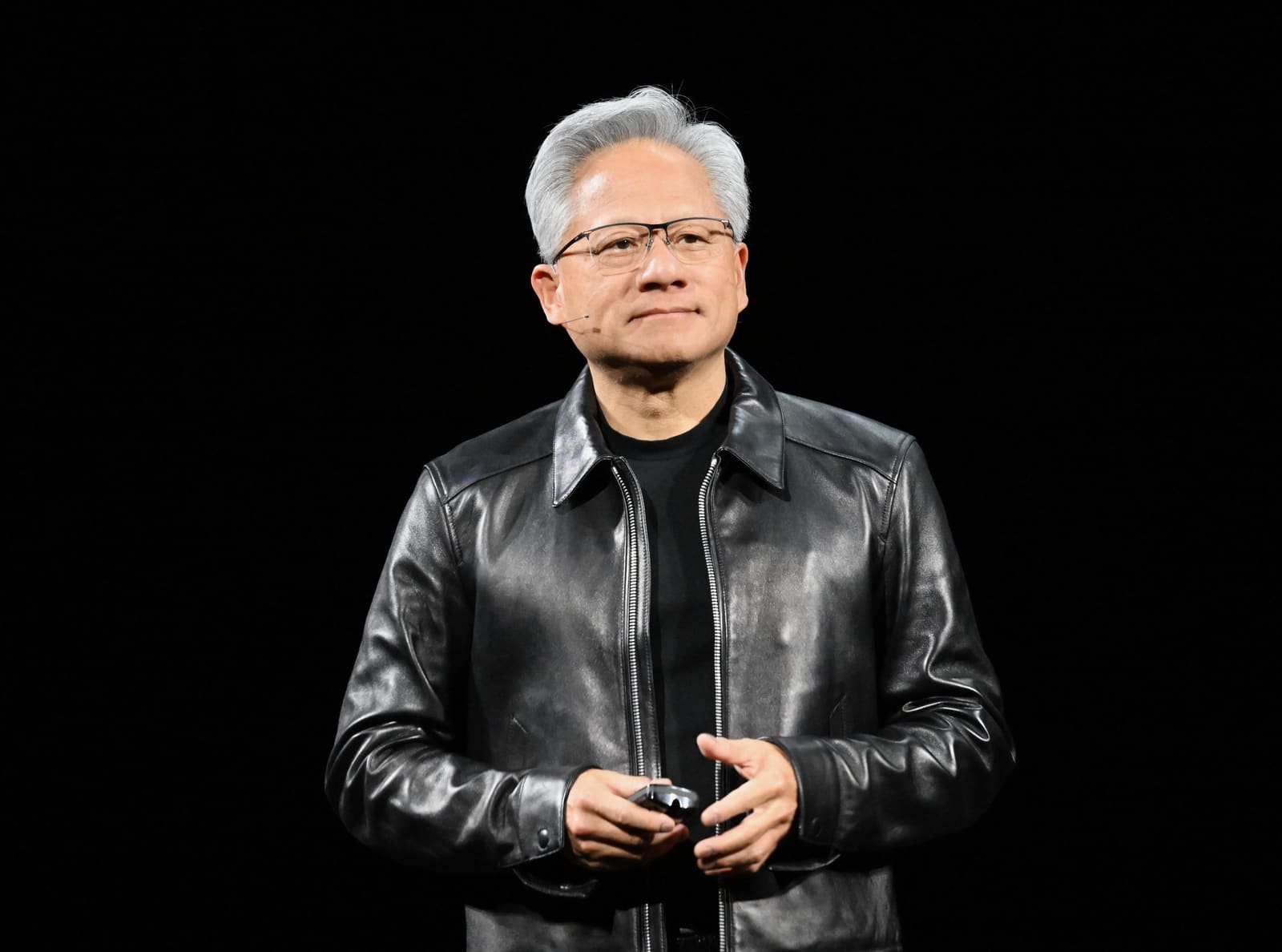
The Unravelling
Jensen Huang's tenure as Nvidia's co-founder and chief executive ended on 12 November, two weeks after initial reports surfaced linking him to a suspected Chinese intelligence operative. The resignation followed admissions of multiple extramarital affairs, at least one involving a direct report, and a board investigation that began on 8 November.
CFO Colette Kress assumed the role of interim CEO. Harvey Jones became Nvidia's first-ever board chair, signalling structural changes at a company that had operated under Huang's singular leadership since its founding. Jones told employees the board would consider both internal and external candidates for a permanent successor.
The speed of Huang's fall was striking. On 29 October, initial reports emerged about his relationship with Alice Huang, an executive at Singapore-based data centre company Megaspeed. By 6 November, he admitted to an extramarital affair without naming the individual. On 11 November, a second affair came to light, this time with Kimberly Powell, Nvidia's vice president of health care and one of Huang's direct reports. He resigned the following day.
The National Security Dimension
Alice Huang had been on the radar of US authorities for some time, possibly as early as 2024. The US Commerce Department investigated Megaspeed over suspicions it was illegally smuggling Nvidia's AI chips into China, circumventing government trade restrictions. Singapore authorities confiscated her passport in June 2025 and eventually barred her from the country after she reportedly gave inaccurate information to police.
Reports published on 6 November indicated that China's Ministry of State Security had specifically recruited Alice Huang to spy on Nvidia's CEO, though US intelligence officials disagreed on the strength of evidence tying her to Beijing. The nature of the relationship became a flashpoint: Huang initially characterised his connection to Alice Huang and Megaspeed as "completely normal and not unusual," only to admit days later to an affair that raised national security concerns.
Nvidia's general counsel Tim Teter and chief marketing officer Alison Wagonfeld were among company leaders whom Huang misled about the relationship, according to reports published after his resignation.
The stakes extended beyond personal conduct. Nvidia's most advanced chips are restricted from sale to China under export controls implemented during the Biden administration. Huang had routinely pushed to loosen those restrictions whilst maintaining close ties to the Trump White House, once putting the president on speakerphone during an industry summit.
Market Impact and Legal Exposure
Nvidia's share price closed at an all-time high of $239.24 on 6 October. By 13 November, it had fallen to $162.85. The company's importance to the US AI sector amplified the shock: Nvidia has invested $99 billion in AI labs, start-ups and cloud providers, and announced plans to mobilise over $500 billion in financing for data centre infrastructure.
A shareholder lawsuit filed before Huang's resignation claims the company deceived investors. The board's investigation, launched on 8 November, remains ongoing. A third affair with an Nvidia employee emerged in reports published on the night of 12 November, though no further details have surfaced.
The legal questions multiply. In May, Huang claimed Nvidia had "zero per cent" market share in China due to export restrictions. Shortly after, Culper Research published a report alleging that over 20 per cent of the company's 2026 compute revenue came from China, citing illegal GPU diversion through Southeast Asian intermediaries. Culper Research named Megaspeed as among the largest of those intermediaries, and noted that Nvidia had repeatedly vouched for the company to the US government. If evidence establishes that Huang knowingly helped companies divert restricted chips to China, criminal charges could follow.
Structural Questions
Huang had operated with an unusual corporate structure, reportedly maintaining around 60 direct reports. For context, Fortune 500 CEOs typically manage between 10 and 20; Apple's Tim Cook had 17 in 2015, a figure observers at the time considered high. Whoever succeeds Huang is unlikely to preserve that arrangement.
The appointment of Jones as Nvidia's first board chair suggests the board of directors will assume a larger role. The company has never had a CEO other than Huang, and no clear succession plan was in place.
Names circulating as potential successors include Apple's hardware chief Johny Srouji, though Kress may also transition from interim to permanent CEO. Some employees posted internal messages calling to "bring back THE boss," and figures including Epic Games CEO Tim Sweeney and Elon Musk publicly defended Huang. Musk said on X it would "be an honour" to hire him.
Regulatory and Political Fallout
The incoming Democratic majority in Congress campaigned in part against AI companies and data centre expansion. One of the industry's most prominent CEOs now embroiled in espionage allegations and multiple affairs is unlikely to improve public perception.
Stricter trade restrictions on Nvidia's chips appear increasingly likely, which could escalate tensions in an already costly trade war. If Nvidia is found to have turned a blind eye to companies suspected of funnelling advanced chips to China, the company could face civil or criminal penalties. Some in Congress may seek to make an example of Nvidia as an early demonstration of resolve.
It remains unclear how much the White House knew and when, raising the possibility that members of the current administration could be drawn into the scandal.
The Intermediaries
Megaspeed was the largest buyer of Nvidia chips in Southeast Asia. When the Straits Times visited its office in October 2025, it found no signs of activity. Megaspeed is one of multiple companies approved to purchase Nvidia chips that have raised questions. Another, New Matrix, operates from headquarters described as "a hollow grey shell with wires dangling from the ceiling where lights should be."
Huang's connections to Super Micro are also under scrutiny. Earlier in 2026, one of Super Micro's founders, an employee and a contractor were indicted by the US Justice Department for conspiring to violate American export controls and divert Nvidia chips to China.
What Comes Next
Nvidia must find a permanent CEO whilst navigating a board investigation, potential congressional testimony, shareholder litigation and criminal exposure. The company's sizable investments and borrowing to build data centres mean the leadership crisis carries implications beyond Nvidia itself. If capital stops flowing from its coffers, a significant portion of the AI industry could slow.
Kress acknowledged to employees that this has been an "extraordinarily difficult period." The board's search for a successor is under way, and the full scope of the scandal may not be known for some time.