Microsoft Offers Voluntary Buyouts to 60,000 Workers as AI Costs Escalate
The tech giant aims to reduce headcount by more than a quarter while pouring hundreds of billions into data centres and chips, raising fresh questions about the economics of the AI race.
The Scale of the Offer
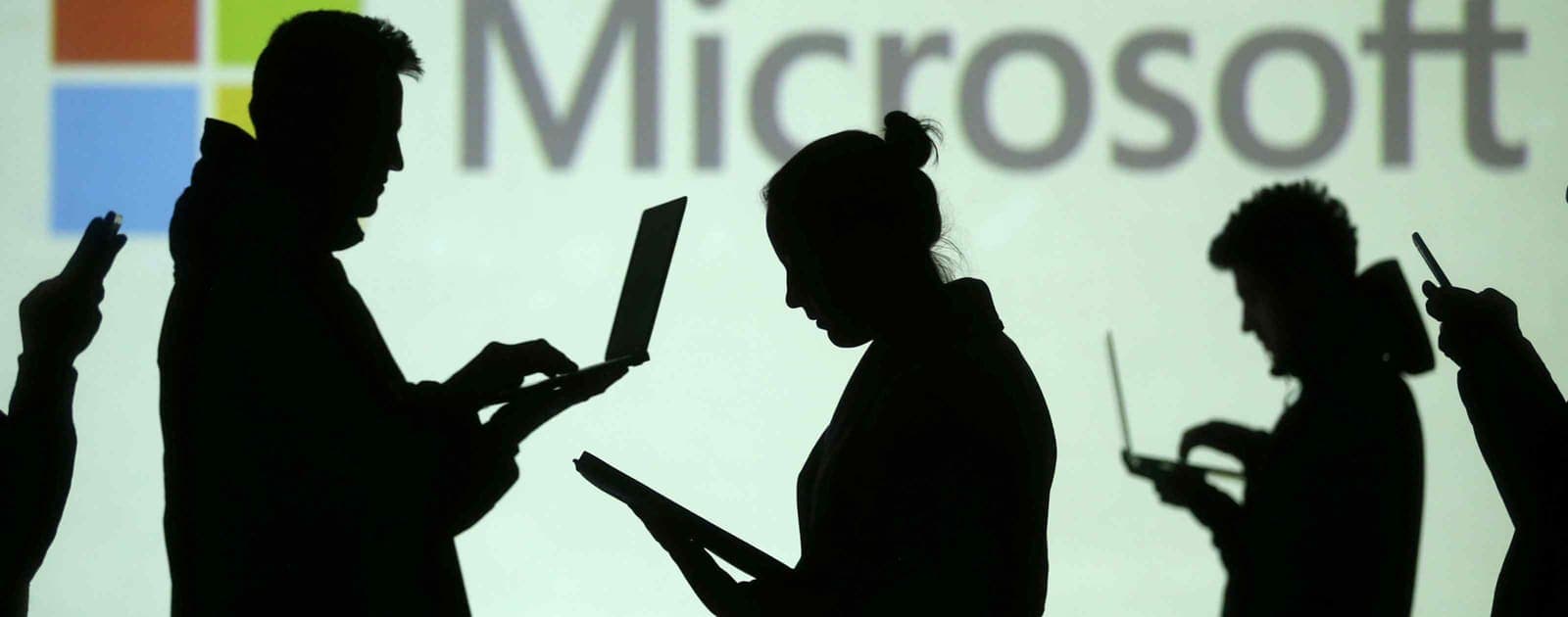
Microsoft announced on 27 October 2026 that it is extending voluntary buyout packages to approximately 60,000 employees, a figure that represents more than one-quarter of its global workforce. The move signals one of the most significant headcount reduction initiatives in the company's history, even though participation remains optional for those offered the package.
The timing is deliberate. Microsoft, like its peers across the technology sector, is channelling hundreds of billions of dollars into artificial intelligence infrastructure, from sprawling data centres to specialised chips designed for machine learning workloads. The capital intensity of this build-out has begun to test investor patience, particularly as revenue from AI products remains modest compared to the scale of investment.
Why Cost Containment Matters Now
At Opentechwire, we've tracked capital expenditure across the major cloud providers throughout 2025 and into 2026, and the trajectory is steep. Microsoft's spending on AI-related infrastructure has accelerated quarter over quarter, with little sign of deceleration. Data centre construction timelines stretch years, chip orders lock in costs well in advance, and energy contracts to power GPU clusters carry long-term commitments.
Against that backdrop, personnel costs become one of the few levers leadership can pull quickly. Voluntary buyouts allow the company to reduce its payroll without the legal and reputational friction of forced redundancies, while potentially retaining employees in critical AI research, engineering, and go-to-market roles who decline the offer.
The 60,000 figure is notable not just for its size but for what it reveals about Microsoft's internal calculus. Offering packages to more than a quarter of staff suggests the company is willing to see significant attrition if it means preserving capital for infrastructure. It also implies that Microsoft believes it can maintain operational tempo with a leaner organisation, likely through automation, process consolidation, and tighter prioritisation of product lines.
The Investor Scrutiny Problem
The announcement arrives amid growing unease in public markets about the return profile of generative AI investments. Across the sector, technology firms have collectively committed capital in the range of several hundred billion dollars to AI infrastructure over the next few years. Yet monetisation remains uneven. Enterprise adoption of AI tools is rising, but contract values and margins have not yet scaled to match the infrastructure outlays.
Microsoft's own AI products, including Copilot integrations across its Office and developer toolchains, are generating revenue, but the company has not disclosed figures that would allow analysts to model a clear path to payback on the capital deployed. Investors have begun asking pointed questions on earnings calls about the timeline to profitability for AI segments, and about whether the current pace of spending is sustainable.
Voluntary buyouts send a signal that management is taking those concerns seriously. By demonstrating a willingness to compress operating expenses, Microsoft can argue that it is balancing growth investment with financial discipline, a narrative that may help stabilise its valuation multiples even as capex remains elevated.
Broader Workforce Implications Across the Sector
Microsoft is not alone in reassessing headcount. Other large technology companies have conducted layoffs or hiring freezes over the past 18 months, driven by a combination of post-pandemic overcapacity, macroeconomic uncertainty, and the same AI spending pressures now visible at Microsoft. What distinguishes this move is the scale relative to the workforce and the explicit linkage to AI investment priorities.
For employees, the voluntary nature of the buyouts introduces a complex decision. Severance packages typically include several months of salary, continuation of benefits, and sometimes equity acceleration, making them financially attractive for those already considering a departure. But accepting a buyout means exiting during a period of historic transformation in the industry, with AI skills in high demand. Workers in roles closely tied to AI development, cloud operations, or strategic accounts may calculate that staying offers greater long-term value, while those in legacy product lines or support functions may see the package as a prudent exit.
The ripple effects will extend beyond Microsoft. Competitors will watch closely to see whether the buyouts succeed in reducing costs without impairing product delivery. If Microsoft can execute the reduction smoothly, other firms facing similar margin pressure may follow with their own programmes. Conversely, if the buyouts trigger talent losses in critical areas or slow product velocity, the industry may conclude that headcount cuts are too risky while the AI race remains in full sprint.
What This Means for the AI Build-Out
The central tension is straightforward. Building the infrastructure to train and serve large language models, multimodal systems, and agentic AI requires capital at a scale that few companies can sustain without trade-offs elsewhere in the business. Microsoft has chosen to make that trade-off explicit, signalling that AI infrastructure is the priority and that other parts of the organisation must shrink to accommodate it.
This dynamic raises questions about the durability of the current AI investment cycle. If even the best-capitalised technology companies are resorting to workforce reductions to fund infrastructure, it suggests that the path to profitability is longer or more uncertain than early enthusiasm implied. It also highlights the asymmetry between capital expenditure, which is lumpy and front-loaded, and revenue, which in enterprise software typically ramps gradually as customers adopt, integrate, and expand usage.
Microsoft's buyout offer will likely accelerate a broader conversation in the industry about the unit economics of AI, the appropriate level of capital discipline, and the trade-offs between growth and profitability. For now, the company is betting that a smaller, more focused workforce combined with continued heavy investment in infrastructure will position it to capture the eventual returns from AI. Whether that bet pays off will depend on how quickly enterprise and consumer demand for AI products scales, and whether the cost structure of delivering those products improves as the technology matures.
The 60,000 employees now weighing their options are, in effect, the human counterpart to the billions being poured into silicon and concrete. Their decisions will shape not only Microsoft's organisational capacity but also the broader narrative about what it takes to compete in the AI era.