Google Patent Reveals Plan for Endless Personalised AI Video Feeds
A recently published filing describes a system that would generate bespoke content starring users as protagonists, raising questions about the nature of entertainment and viewer agency.
A System Built on Surveillance Data
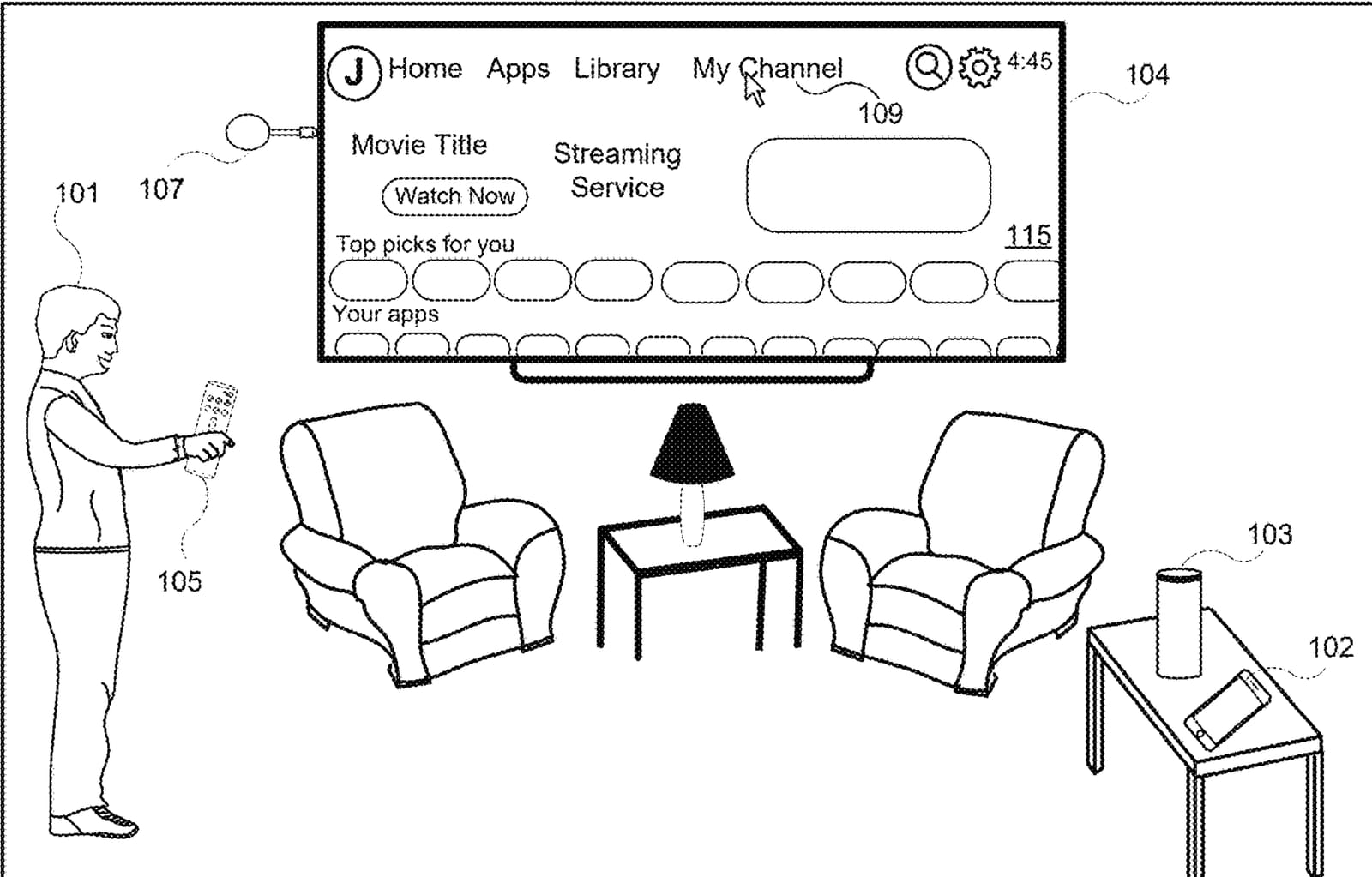
Google submitted a patent application in May 2025 for a technology it calls My Channel, a service designed to generate personalised video content and advertisements using data the company already holds about its users. The application, published in November 2026, was rejected by the United States Patent and Trademark Office, though the company retains the option to appeal or file an amended version.
The filing outlines a system that would draw on demographic information, viewing history, device data including IP addresses and GPS coordinates, age details, and real-time contextual inputs such as sports scores or social media trends. My Channel would feed this aggregated profile into a large language model to create prompts, which would then drive video generation on Google's servers.
According to the patent, the system could produce full-length films across multiple genres. A user who frequently watches content about a particular director's work might, for instance, receive algorithmically generated variations on similar themes. The filing also notes that My Channel could integrate with third-party streaming platforms, potentially giving Google access to additional viewing data and training material for its video generation models.
Digital Avatars as Protagonists
One element of the patent stands apart in its implications. My Channel would create digital avatars of users by processing their photos, videos, and audio clips, then insert these avatars as lead characters in the generated content. The system is designed to place the viewer at the narrative centre of every piece of media it produces.
This mechanic diverges sharply from the way audiences have historically engaged with storytelling. Viewers have long projected themselves into fictional worlds as a means of understanding perspectives, emotions, and circumstances that differ from their own. The empathy that emerges from this imaginative leap is central to what makes narrative art resonant.
My Channel proposes the inverse. Rather than asking viewers to stretch toward a character, the system collapses the distance entirely, offering an unending stream of content in which the viewer is always the protagonist. The patent suggests that Google anticipates this self-insertion to be sufficient entertainment value on its own.
A Closed Loop of Familiarity
The architecture of My Channel also points toward a narrowing of exposure. By generating content exclusively tuned to a user's established preferences, the system would make it easier to avoid material that exists outside those boundaries. If licensing agreements with streaming services were secured, users could consume algorithmically remixed versions of existing works indefinitely, never encountering narratives that challenge their assumptions or expand their frame of reference.
This design aligns with the commercial imperatives of streaming platforms, which prioritise engagement metrics and time spent on service. Yet it also risks fostering a form of cultural insularity, where viewers remain locked within algorithmically reinforced comfort zones. The patent describes a feedback loop in which the system learns from user behaviour, refines its output, and serves more of the same, with diminishing incentive for deviation.
The implications extend beyond individual viewing habits. If platforms optimise for hyper-personalised content that mirrors users' existing tastes, the shared cultural touchstones that emerge from collective engagement with art begin to erode. Audiences fragment further, and the possibility of encountering unfamiliar ideas through entertainment diminishes.
Generative Models and Creative Intent
The technical capabilities outlined in the patent raise a separate question about the nature of the content itself. Generative video models operate by identifying patterns in training data, typically large corpuses of existing films, series, and video content. These models can replicate visual styles, narrative structures, and genre conventions with increasing fidelity, but they do so without the intentionality that underpins human creative work.
Directors, writers, and actors bring subjective experience, cultural context, and deliberate aesthetic choices to their work. A generative model has none of these. It arranges pixels and sequences based on statistical likelihood, not meaning. The result is content that may resemble art in form but lacks the interpretive depth that makes storytelling valuable.
This distinction is why the term "slop" has gained traction in discussions of AI-generated media. It describes output that is technically coherent but creatively hollow, produced at scale and optimised for surface-level engagement rather than lasting impact.
Market Reality and Appeal Prospects
Google's patent application was rejected, though the grounds for rejection have not been publicly detailed. The company may choose to revise and resubmit, or it may abandon the concept altogether. Patent filings do not guarantee product development; many are speculative, intended to stake out intellectual property territory rather than signal imminent release.
Still, the existence of the filing reflects a broader trend within the technology and entertainment industries. Generative AI has been positioned by its proponents as a tool that will reshape content production, reduce costs, and unlock new forms of creativity. Studios and platforms have invested heavily in the technology, despite limited evidence that audiences are seeking AI-generated replacements for human-made work.
The reception of early AI-generated content has been tepid at best. Viewers have shown little appetite for algorithmically produced films or series, particularly when those works lack the narrative coherence and emotional resonance of traditionally produced media. The market for AI-generated entertainment remains speculative, and the patent for My Channel offers no data to suggest demand for a service of this kind exists at scale.
What Comes Next
If Google proceeds with an appeal or amended filing, the outcome will depend on how the company addresses the initial rejection. Patent law in the United States requires that inventions be novel, non-obvious, and useful. The specifics of the rejection are not public, but revisions could involve narrowing the scope of the claims or providing additional technical detail.
Whether or not My Channel ever materialises as a product, the patent offers a window into how at least one major technology company envisions the future of media consumption. That vision is one in which personalisation is absolute, algorithmic curation is total, and the viewer is both the subject and the object of every narrative. It is a model that prioritises engagement over expansion, familiarity over discovery, and data extraction over creative risk.
The question is not whether the technology could be built. The question is whether anyone should want it to be.