Automattic's Board Ejects Mullenweg from CEO Post Amid Legal Turbulence
Mark Davies assumes interim leadership at the WordPress.com parent company as founder Matt Mullenweg protests a forced leave of absence he says was orchestrated behind his back.
The Ouster
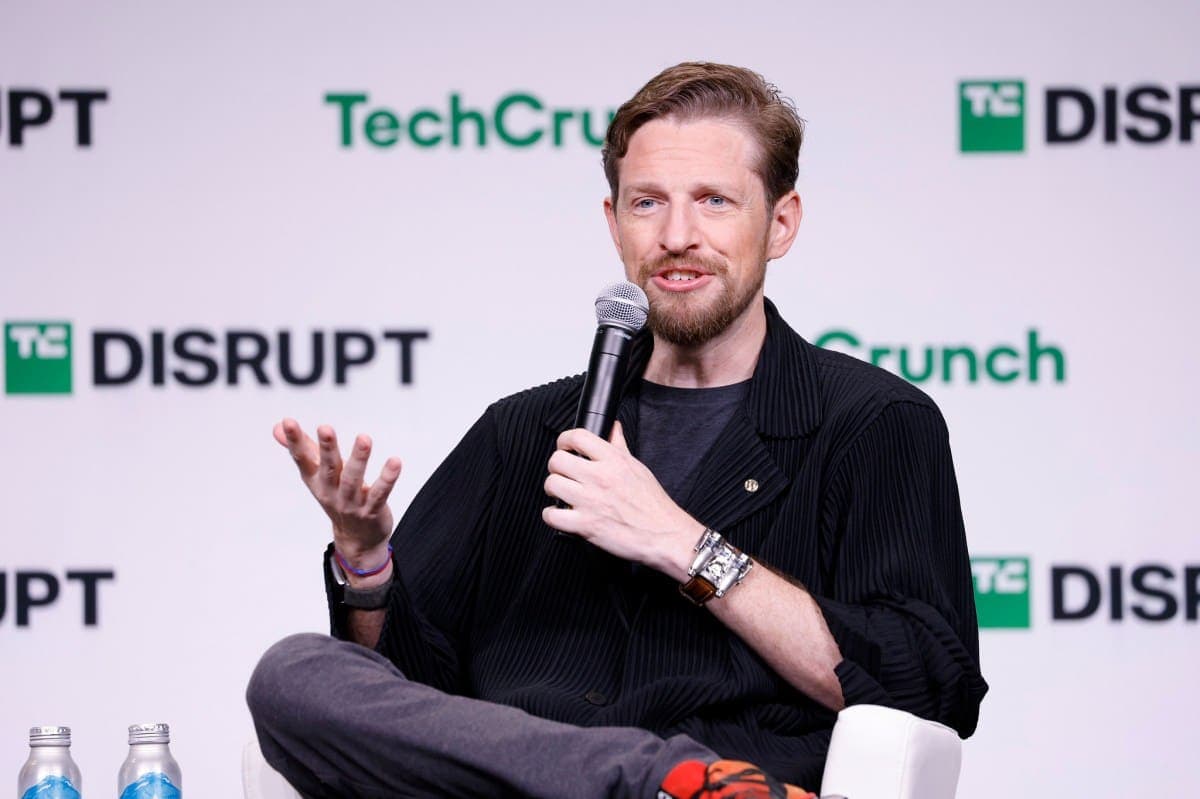
Matt Mullenweg learnt he was being removed from day-to-day control of Automattic fifty minutes before a board meeting on 9 September, according to internal communications reviewed by colleagues across the company. The founder and chief executive of the WordPress.com parent company told staff in a company-wide Slack channel that chief financial officer Mark Davies had "conspired" with board members Ann Dunwoody, Toni Schneider, and Sue Decker to vote him into a paid leave of absence. Mullenweg said he voted against the resolution and requested time to consult independent legal counsel, a request the board denied.
Davies now leads Automattic as interim CEO. The board issued a terse statement confirming Mullenweg's leave status and expressing full confidence in Davies and the existing team to execute against company priorities. Mullenweg remains on the board of directors, Davies told employees, though his operational authority has been stripped.
The separation applies only to the commercial entity. Mary Hubbard, executive director of the open-source WordPress.org project, clarified that Mullenweg retains his leadership role within the non-profit community effort. "Our teams, priorities, and work continue as planned," Hubbard wrote in a message to the WordPress.org community.
Legal Entanglements and Revenue Demands
At DailyTechWire, we've tracked Automattic's mounting legal exposure over the past eighteen months. The company remains locked in litigation with WP Engine, a competing WordPress hosting provider, over accusations that WP Engine profits from the open-source WordPress ecosystem without adequate contribution. Mullenweg publicly demanded WP Engine pay eight per cent of its monthly gross revenue as a royalty fee for use of the WordPress brand.
WP Engine filed suit in October 2024, alleging defamation and abuse of power by both Automattic and Mullenweg personally. Automattic countersued, and the case has expanded in scope. In February 2025, WP Engine claimed in court filings that Automattic planned to pursue royalty demands against ten additional competitors, a move that would have reshaped the economics of the WordPress hosting market and potentially exposed Automattic to antitrust scrutiny.
The legal strategy under Mullenweg's direction has been aggressive. Last year, Mullenweg threatened to deactivate the accounts of several members of the WordPress.org community after two contributors announced plans to fork the open-source WordPress codebase. The threat drew criticism from open-source advocates who argued it blurred the line between Automattic's commercial interests and the community governance of WordPress.org.
Internal Fracture and Workforce Reductions
The board's action follows a turbulent period for Automattic's workforce. In 2024, Mullenweg issued an ultimatum to employees: accept severance and leave if you disagree with the company's direction. One hundred and fifty-nine employees took the offer, a significant exodus that removed institutional knowledge and strained team cohesion across Automattic's portfolio of brands, which includes Tumblr, WooCommerce, and Pocket Casts.
In April 2025, the company executed layoffs affecting sixteen per cent of staff. The cuts included employees with tenure exceeding a decade, according to people familiar with the matter. The reductions came as Automattic sought to stabilise cash flow amid legal costs and slower growth in its core WordPress.com hosting business.
Current employees have expressed a range of reactions to Mullenweg's removal. Some told former colleagues they felt "ecstatic" or "relieved," viewing the board's intervention as a necessary reset. Others voiced concern that the leadership change introduces fresh uncertainty at a company already navigating litigation, competitive pressure, and product roadmap questions. Alumni have been reaching out to gauge sentiment inside the company, one person said.
Schneider's Return and Board Dynamics
Toni Schneider, who served as Automattic's CEO from 2006 to 2014, is among the board members who voted for Mullenweg's leave. Schneider's tenure predated much of the company's current legal and strategic complexity, and his involvement in the decision signals that at least one director with deep operational history at Automattic supported the move. Dunwoody and Decker, the other directors named by Mullenweg, bring governance and financial oversight experience from outside the company.
The board's composition and the speed of the resolution suggest the directors concluded that Mullenweg's continued leadership posed material risk to the company. The refusal to grant Mullenweg time to consult independent counsel before the vote indicates urgency, though neither the board nor Davies has publicly articulated the specific triggers for the action.
One person speculated that timing may relate to Mullenweg's annual attendance at the Burning Man festival, which concluded on 7 September. Mullenweg has historically returned from the event with new strategic ideas, and some inside Automattic wondered whether the board acted preemptively to contain any post-festival initiatives that might escalate existing conflicts.
What This Means for WordPress Hosting
Automattic's internal upheaval arrives at a delicate moment for the broader WordPress ecosystem. The platform powers a significant share of the web, and hosting providers rely on a stable relationship between the open-source project and Automattic's commercial operations. The WP Engine litigation has already introduced friction, with some hosting companies reportedly exploring contingency plans in case Automattic pursues royalty claims more widely.
Davies inherits a company with strong brand assets but constrained by legal costs and reputational damage from the WP Engine dispute. His immediate challenge will be to stabilise internal morale, reassure enterprise customers, and determine whether to continue or settle the pending litigation. The board's statement emphasised continuity, but Davies will need to articulate a path forward that differentiates his approach from Mullenweg's.
For Mullenweg, the forced leave represents a rare instance of a founder losing operational control despite retaining a board seat. Whether he attempts to reassert authority or negotiates an exit remains unclear. The company did not respond to requests for comment on Mullenweg's future role or the board's decision-making process.
The separation of Mullenweg's roles at Automattic and WordPress.org preserves his influence over the open-source project, but it also highlights the tension between community governance and commercial strategy that has defined his recent leadership. How Davies navigates that boundary will shape both Automattic's recovery and the trust of the WordPress community in the months ahead.