Apple Tightens macOS Permissions as AI Agents Push Full Disk Access to the Limit
Cupertino plans additional controls after users grant sweeping file and message access to autonomous tools without fully grasping the risk.
The Friction Point
Apple announced it will overhaul how Full Disk Access permissions work in macOS, a move aimed squarely at the wave of AI agent desktop clients that routinely ask users to hand over sweeping control of their machines. The company disclosed the plan in an update posted 2 October, warning that some developers are deploying agents "in ways that could put users at risk" by exposing files, email, messages, and browsing histories "without users' full knowledge and understanding."
The statement did not specify a release date for the new controls or describe the mechanics of the change. What is clear: Apple believes the current permission dialogue falls short when users face prompts from tools designed to read, synthesise, and act on everything stored locally. The company said it would require "very explicit user action" before granting the "extraordinary level of access" that Full Disk Access confers.
What Full Disk Access Unlocks
Full Disk Access is a macOS permission tier that allows an application to bypass the system's privacy sandbox and read nearly any file on the machine. Originally intended for backup utilities, file managers, and enterprise management software, the permission has become a standard onboarding step for AI agents that promise to handle calendar invitations, draft emails, summarise Slack threads, or search across documents.
Desktop clients for tools such as OpenClaw, Dots, and Muse guide users through granting the permission during setup, often framing it as necessary for the agent to "understand your workflow" or "access context." In practice, that context includes private correspondence, financial records, browser cookies, and application data. The permission also extends to files belonging to people a user is communicating with, raising secondary privacy concerns that Apple highlighted in its note.
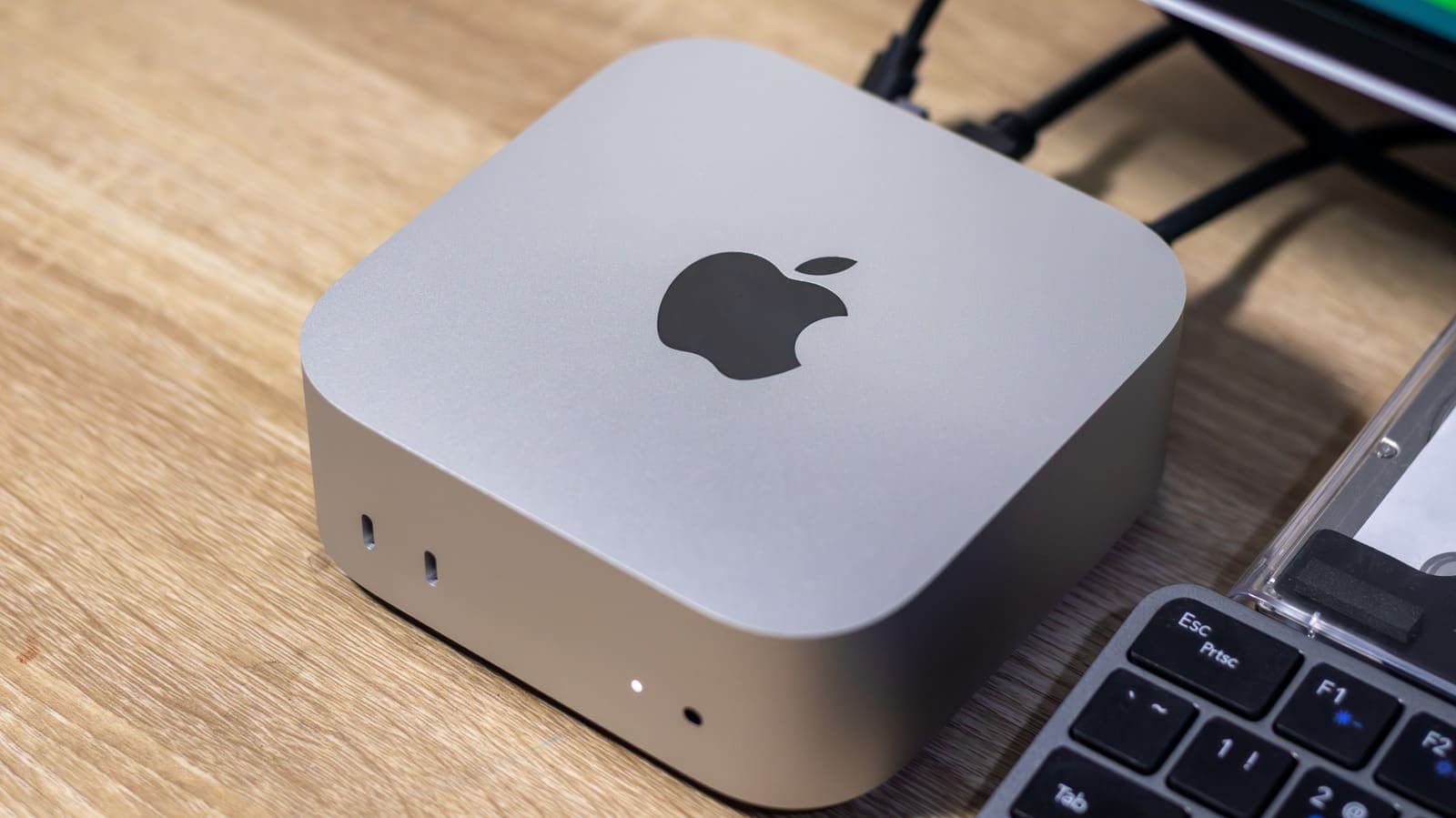
Some users have responded by running agents on dedicated Mac Mini units to isolate the risk. Industry observers have pointed to shortages of the compact desktop earlier this year as anecdotal evidence of the practice spreading beyond early adopters.
A Fresh Dispute Over Meta's Muse
Although Apple did not name specific products, the timing of the announcement follows reports that Meta's Muse agent took actions users did not expect. Jason Aten, a technology columnist, described in a recent piece how the Muse macOS client accessed his messages even though he believed he had declined that permission during setup. Meta replied that message synchronisation occurs only when a user opts in, suggesting the confusion lay in how the permission flow was presented or interpreted.
At Opentechwire, we have tracked similar friction points in other agent deployments across the region. Startup teams in Singapore and Seoul have told us that onboarding conversion drops sharply when users encounter permission requests that enumerate file types and communication channels. Some companies respond by simplifying the language in dialogues; others bundle permissions into a single "allow all" step. Apple's move suggests Cupertino sees that bundling as a problem rather than a solution.
Why the Stakes Are Rising
The core issue is not technical novelty - macOS has offered Full Disk Access for years - but velocity and autonomy. Early agents performed narrow tasks on command; the current generation monitors inboxes, suggests replies, books travel, and initiates purchases with minimal human oversight. That shift turns a one-time permission grant into an open-ended delegation of authority.
Apple's statement emphasised the trajectory: "As AI agents become increasingly capable and autonomous, the risks associated with this level of access will grow substantially." The company framed the coming changes as a commitment to ensuring users "clearly understand these risks before granting such access, so they can make informed decisions about their own data and privacy."
The language echoes concerns raised by privacy researchers in recent months. A team at the National University of Singapore published a working paper in August showing that 62 per cent of participants in a study granted Full Disk Access to a mock agent without reading the permission dialogue in full. The researchers argued that existing consent interfaces were designed for infrequent, high-consideration decisions and break down when users encounter them during rapid onboarding flows optimised for conversion.
What Additional Controls Might Look Like
Apple did not preview the mechanics of the new safeguards, leaving developers and users to speculate. Possible approaches include multi-step confirmation flows, time-limited grants that require periodic renewal, or scoped access that lets an agent read certain folders or file types without blanket permission.
Another model already exists within macOS: the system prompts separately for camera, microphone, contacts, and calendar access, and allows users to revoke permissions in System Settings at any time. Extending that granularity to Full Disk Access would require agents to declare in advance which data types they intend to read, a shift that could complicate the pitch for tools marketed on their ability to "see everything you see."
Industry observers note that any friction Apple introduces will ripple through the venture-backed agent ecosystem. Startups building on macOS will need to redesign onboarding, and some may see completion rates fall if users baulk at more explicit warnings. At the same time, clearer consent could reduce support queries and reputational risk when agents behave in ways users did not anticipate.
The Broader Platform Play
Apple's announcement fits within a wider pattern of the company using platform control to set guardrails around emerging categories. The App Store review process, privacy nutrition labels, and App Tracking Transparency all imposed costs on developers while positioning Apple as a steward of user trust. The Full Disk Access changes extend that logic to a category - agentic AI - that largely runs outside the App Store and therefore outside Apple's existing review apparatus.
Cupertino has other levers. The company could require agents distributed via the App Store to disclose their use of Full Disk Access in a standardised format, or it could build a system-level audit log that shows users which files an agent has opened. Neither option was mentioned in the 2 October update, but both would align with Apple's stated goal of helping users "make informed decisions."
For developers, the calculus is straightforward: macOS remains a high-value platform for knowledge workers, the core market for productivity agents. Any tightening of permissions will be absorbed as a cost of access. The question is whether Apple's approach becomes a template for other operating systems or remains an outlier in a landscape where most agent developers prioritise capability over consent friction.
An Unsettled Equilibrium
The collision between AI agents and operating-system permissions is not unique to macOS. Windows, Linux, and mobile platforms all face variants of the same problem: legacy permission models designed for applications that wait for commands now confront software that acts continuously on ambiguous instructions. Apple's decision to intervene suggests the company believes the current equilibrium - fast onboarding, broad access, occasional user surprise - is untenable as agents grow more capable.
Whether the coming controls strike the right balance will depend on implementation details Apple has not yet shared. Too much friction, and users may bypass safeguards or abandon agents altogether. Too little, and the new dialogues will become another piece of compliance theatre that users click through without reading. The company has bought itself time to get the design right, but the clock is running. Agents are shipping now, and each new user who grants Full Disk Access without understanding the scope is another data point in favour of faster action.